




Alexandra Palace area moves: tight access solutions
Posted on 29/05/2026
If you are planning a move around Alexandra Palace, you already know the tricky bit is rarely the packing. It is the stairs, the narrow front paths, the awkward corners, the shared entrances, the parking squeeze, and the van that cannot simply stop where you wish it could. That is exactly where Alexandra Palace area moves: tight access solutions come in. The right approach can save time, reduce stress, and protect your furniture from the kind of scrapes and knocks that happen when a move is rushed or under-planned.
In practice, tight access does not mean impossible access. It means the move needs a smarter setup. Maybe you are moving from a top-floor flat off a busy road, or into a terrace with no clear driveway. Maybe there is a steep staircase, a basement turn, or a front garden wall that makes large items awkward. Whatever the layout, a good removal plan looks at the building, the route, the timing, and the vehicle choice before anything starts moving.
This guide walks through how tight access moves work, what solutions actually help, and how to judge whether you need a compact van, more hands, special packing, or just a better loading strategy. Let's face it, a move in this area can feel like a small logistics puzzle. But once the puzzle is mapped properly, it becomes much more manageable.
Why Alexandra Palace area moves: tight access solutions Matters
Alexandra Palace sits in a part of London where property styles and road layouts can vary a lot from one street to the next. You might be dealing with period conversions, maisonettes, upper-floor flats, narrow terraced entrances, or a service road with very limited stopping space. In other words, the environment itself often shapes the move.
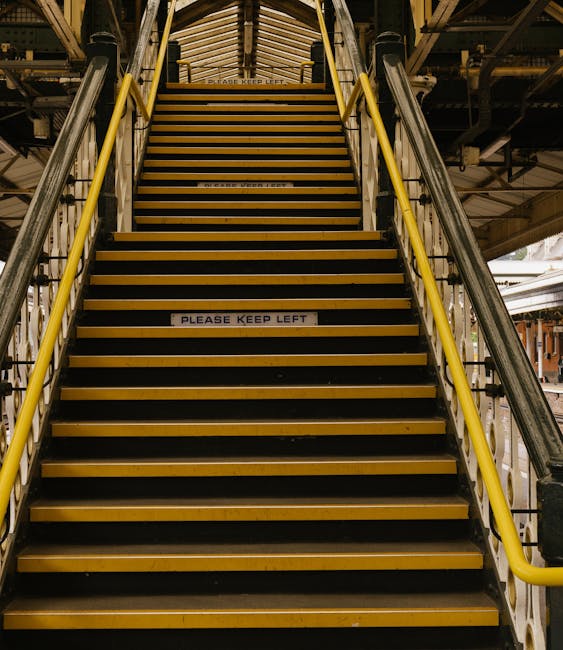
That matters because access problems can turn a straightforward removal into a slow, tiring, and expensive day. A sofa that would normally be carried in a single lift may need a careful turn through a tight hall. A fridge may need extra protection if it has to be moved over steps. A van may need to park further away than expected, which changes the loading order and the number of trips.
Tight access solutions are not just for "difficult" moves. They are a normal part of moving in busy London neighbourhoods, especially where parking is limited and buildings were never designed for modern furniture. You can think of it as matching the move to the space, rather than forcing the space to fit the move.
Practical takeaway: the earlier you assess access, the easier it is to choose the right team size, vehicle size, and packing method. That planning step is often what keeps the move calm.
If you are still comparing service options, it helps to look at a provider's wider removal services overview and see whether they regularly handle flats, furniture, and access-limited properties. That context matters more than a glossy headline.
How Alexandra Palace area moves: tight access solutions Works
The process usually starts with an access assessment. This may be done from photos, a phone call, a video walk-through, or an in-person survey depending on the complexity of the job. The goal is simple: identify what could slow the move down before moving day arrives.
A proper access plan typically checks the following:
- Whether the van can stop close to the entrance
- How many steps, stairs, or tight landings are involved
- Whether large items need to be disassembled
- Whether lifts, corridors, or shared entrances create bottlenecks
- How far the carry distance is from property to vehicle
- Whether parking restrictions or loading bays affect timing
Once those points are clear, the mover can decide on the right method. For example, a man and van service may be ideal for smaller jobs with compact loads, while larger homes or heavier furniture often need a more structured plan and sometimes a bigger crew. If there is a lot of bulky furniture, a dedicated furniture removals approach can make the handling much smoother.
There is also a timing element. In a busy area, moving early in the day can sometimes reduce conflict with traffic, school runs, or local parking pressure. Not always, of course, but often enough that it is worth considering. And if you have to work around a building entry slot or a narrow parking window, timing becomes part of the access solution itself.
Good tight access moving also means loading in the right order. The van is not just a box on wheels. It is a sequence problem. Heavy items go in first, fragile items are protected and layered carefully, and things needed last are loaded accordingly. Simple idea, really. But it saves a lot of faffing.
Key Benefits and Practical Advantages
The biggest benefit of a well-planned tight access move is reduced risk. When the route is mapped and the handling plan is clear, there is less chance of furniture damage, fewer awkward pauses, and less strain on everyone involved.
Other practical advantages include:
- Faster loading and unloading: less wandering, less carrying, less standing around wondering where the van can go
- Lower breakage risk: items are packed and carried with the route in mind
- Better use of labour: the right number of people are assigned for the space and the furniture
- Less stress for residents and neighbours: especially in shared access buildings where hallways and entrances need to stay clear
- Improved cost control: efficient planning reduces avoidable delays
There is a hidden benefit too: confidence. When you know the team has already thought through access, you stop worrying about whether the move will unravel at the last minute. That calm feeling is worth a lot on moving day.
If you are preparing a whole-home move, useful groundwork like decluttering can make access handling much easier. A helpful read is expert decluttering strategies for a smoother move, because less clutter often means clearer routes and fewer surprises.
Who This Is For and When It Makes Sense
Tight access solutions are for anyone moving in or around Alexandra Palace where the property layout or street conditions make standard loading difficult. That covers a lot of people, actually.
You may need this kind of support if you are:
- Moving from a flat with narrow stairs or a shared hallway
- Relocating furniture into a building with limited lift access
- Handling a move with no private driveway or rear access
- Transporting bulky items such as wardrobes, beds, mattresses, or pianos
- Working to a same-day deadline and cannot afford delays
- Moving student accommodation, where access is often tight and time windows are short
It also makes sense if you are not sure whether the job is "small enough" for a standard move. That uncertainty is common. A lot of people underestimate access more than the actual load. You might think the three-piece suite is the main issue, but the real challenge ends up being the staircase bend or the narrow parking lane outside. Happens all the time.
If your move is short notice, a same-day removals service can be useful, but tight access still needs to be declared early. Last-minute jobs are fine; last-minute surprises are not.
Students and renters often benefit from planning that is simple and practical. For example, student removals and flat removals tend to involve lighter loads, but the access can be more awkward than expected. One narrow staircase can change everything.
Step-by-Step Guidance
Here is a clear way to organise a tight-access move without overcomplicating it.
- Measure the route. Check stair widths, hall turns, door frames, and any external steps. If a wardrobe is tall, measure the diagonal space too.
- Review parking and stopping points. Find out where a van can legally pause, how far it will be from the entrance, and whether you need permits or loading awareness.
- Identify bulky or fragile items. Sofas, bed frames, glass tables, large mirrors, and appliances usually need special handling.
- Decide what should be dismantled. Flat-pack furniture, bed frames, and some wardrobes may move far better in pieces. Yes, even if reassembly feels annoying later.
- Choose the right packing method. Use strong boxes, blankets, mattress covers, and tape that actually holds. A box that gives way halfway down the stairs is nobody's favourite moment.
- Plan the loading order. Put the hardest-to-carry items near the exit route first, then lighter boxes, then items you want to access immediately on arrival.
- Book the right support. If the access is genuinely tight, choose a provider with suitable experience, not just the cheapest quote.
- Prepare both ends of the move. Clear paths inside the property before the van arrives, and make sure the destination has a landing area ready.
For packing support, the guide on packing hacks for a smooth house move is a sensible companion read. It is especially useful if you want to reduce the number of awkward-shaped items that need special handling.
There is also the question of what to do with heavy items you are not sure you can shift safely. In those cases, it can help to read safe approaches to heavy lifting so you understand where DIY ends and professional handling begins.
Expert Tips for Better Results
Experience teaches a few simple truths. First, not every access issue needs a big solution. Sometimes a compact van and a good loading sequence solve the problem. Other times, a couple of extra moving blankets and one extra pair of hands are enough. The trick is knowing which is which.
Here are the tips that tend to make the biggest difference:
- Send access photos in daylight. Early morning or afternoon light helps show steps, door widths, parking pinch points, and blind corners clearly.
- Keep corridors clear the night before. A hallway full of bags, shoes, and half-packed boxes slows everything down. More than people expect.
- Protect corners and bannisters. Even a quick wrap can prevent scraped paint and chipped wood.
- Break down furniture where it makes sense. A bed or table that is slightly awkward in one piece can become easy once separated.
- Use a realistic time window. Tight access jobs nearly always take longer than standard kerbside loading.
- Keep one box of essentials separate. Tea, chargers, documents, a kettle, medication, whatever you need to function that evening.
If you are moving furniture that is especially awkward or valuable, specialist services can make a real difference. A piano, for example, is not just heavy; it is delicate, top-heavy, and awkward to rotate through narrow spaces. That is why piano removals exist as a dedicated service, and why the topic is worth treating seriously rather than guessing.
Planning a home move more broadly? This article on making house moving feel easier has some useful ideas for keeping the day calmer, especially if your access route is already a bit of a headache.
Common Mistakes to Avoid
A lot of access issues are not dramatic. They are just small oversights that stack up. One missed measurement, one blocked entrance, one poorly chosen van size, and suddenly the whole day feels heavier.
Common mistakes include:
- Assuming the van can park right outside. In London, that is often the first assumption to fail.
- Forgetting to measure the narrowest point. A hallway may look fine until the sofa meets the corner.
- Leaving too much dismantling until moving day. That tends to create delays at the worst possible time.
- Using weak boxes for books or kitchen items. Heavy contents plus a long carry distance is not a good combination.
- Ignoring the destination property. A move is two access problems, not one.
- Booking too little help. Saving a small amount upfront can cost far more in time and stress later.
One mistake that catches people out is not thinking about the return trip. After the first load arrives, the team may need to go back for another round. If access is poor, each trip becomes more time-sensitive. So, yes, the whole plan should account for the second and third load, not just the first cheerful departure with the van door shut.
For properties where a landlord or agent expects a clean handover, a proper final tidy can also help the whole moving process feel less chaotic. See how to impress landlords with a thorough clean if you are moving out of a rented home.
Tools, Resources and Recommendations
The best tools for tight access moves are not flashy. They are the practical bits that keep items safe and make movement smoother.
| Tool or Resource | Why It Helps | Best For |
|---|---|---|
| Furniture blankets | Protects corners, doors, and polished surfaces | Sofas, wardrobes, tables |
| Mattress covers | Keeps bedding clean during carry and loading | Beds and mattresses |
| Strong moving boxes | Reduces breakage on stairs and long carries | Books, kitchenware, files |
| Disassembly tools | Helps make oversized items manageable | Beds, desks, shelving |
| Parking and route notes | Prevents wasted time on the day | Any move with limited kerb access |
For furniture-heavy jobs, a dedicated removal van with the right load space and handling setup can be more effective than trying to make a standard vehicle do a difficult job. If the move is smaller but still tricky, a local removals service may give you the right balance of support and flexibility.
It also helps to understand the company behind the service. A good place to start is about the team, where you can look for signs of experience, local knowledge, and a straightforward way of working. That is worth more than polished sales copy, truth be told.
If storage is part of your move plan, especially because access at the new property is delayed or limited, storage options can help bridge the gap without cramming everything into the wrong room on day one.
Law, Compliance, Standards, or Best Practice
Moves with tight access do not usually involve complex legal steps, but there are still important standards and expectations to keep in mind. In London, parking restrictions, loading rules, and building access arrangements can affect the move even when the property itself is ready.
Good practice generally includes:
- Checking any local parking or loading restrictions in advance
- Respecting shared hallways, lifts, and communal entrances
- Using safe manual handling methods to reduce injury risk
- Protecting floors, walls, and bannisters where necessary
- Making sure item handling is appropriate for weight, shape, and fragility
Professional movers should also have sensible safety procedures and clear communication about what they can and cannot move safely. If you want to see how a provider approaches this side of the job, it is sensible to review their health and safety policy and insurance and safety information. That is especially useful for higher-value furniture or awkward access where there is more chance of contact with walls or steps.
For general trust and clarity around booking terms, payment handling, and service conditions, these pages are also worth a look: pricing and quotes, payment and security, and terms and conditions. Not exciting reading, granted, but useful. Very useful.
Options, Methods, or Comparison Table
Not every tight access move needs the same solution. Here is a practical comparison of the most common approaches.
| Approach | Best For | Pros | Trade-Offs |
|---|---|---|---|
| Small van / compact load | Single flats, small households, a few bulky items | Easier parking, more agile on narrow streets | May need more trips if volume is underestimated |
| Standard removal service | Typical house or flat moves with some access limits | Balanced support, efficient for mixed loads | May still require careful route planning |
| Specialist item handling | Pianos, antiques, very heavy or fragile pieces | Extra protection and expertise | Usually requires more preparation and cost |
| Storage-first approach | Delayed move-ins or staged relocations | Reduces pressure when access or timing is awkward | Requires an extra planning step |
The best option depends on your access route, not just the number of boxes. For example, a compact flat with a hard stair corner may need more care than a larger property with a wider driveway. Weird, but true.
If you are moving a bed or mattress through a cramped staircase, this guide on moving your bed and mattress may help you decide whether disassembly or specialist carrying is the better route.
Case Study or Real-World Example
Imagine a two-bedroom flat near Alexandra Palace with a shared entrance, a narrow internal staircase, and no close parking directly outside. The move includes a bed frame, mattress, books, a small dining table, and a heavy chest of drawers. Nothing outrageous, just enough to make access the real challenge.
In a situation like this, the move works best when it is broken into stages:
- Small items packed into strong, labelled boxes first
- The bed frame partially dismantled before moving day
- Furniture blankets used on the chest of drawers and table
- A parking spot identified in advance with a realistic carry route
- Loading order planned so the heaviest pieces are closest to the van doors
What usually makes the difference is not brute force. It is rhythm. Clear path, carry, load, return, repeat. No rush. No second guessing. The job becomes much steadier once the access problem is handled properly.
In our experience, once the team knows exactly where the awkward points are, the day feels less like a scramble and more like a sequence of manageable steps. And that matters, because moving already asks a lot of people emotionally. If the logistics are chaotic too, the whole thing just becomes harder than it should be.
For moves that involve particularly heavy lifting, a practical read on kinetic lifting principles can help explain why controlled movement and body positioning matter so much. It sounds technical, but the idea is simple: move smart, not just hard.
Practical Checklist
Use this checklist before the van arrives. It saves time, honestly.
- Have you measured the narrowest stairs, doors, or hallways?
- Do you know where the vehicle can legally stop?
- Have you told the mover about any steps, lifts, or basement access?
- Are large items ready to be dismantled if needed?
- Have you packed fragile items separately and labelled them clearly?
- Are the floors, walls, and corners protected where necessary?
- Is the destination property ready to receive the load?
- Do you have essentials kept aside for the first night?
- Have you checked whether storage might be needed for part of the move?
- Have you confirmed the booking details, arrival time, and any access notes?
If a box feels too heavy to carry comfortably, it probably is. That one little judgement call prevents a lot of trouble.
Conclusion
Alexandra Palace area moves: tight access solutions are all about matching the move to the space you actually have, not the space you wish you had. When access is narrow, parking is limited, or the route is awkward, the smart response is careful planning, the right equipment, and a team that understands local conditions.
With the right approach, tight access stops being a problem and becomes simply another part of the job. Measure properly, pack sensibly, choose the right vehicle and support, and keep the day organised. That is the real formula.
Get a free quote today and see how much you can save.
If you want to speak to a local moving team about your access concerns, you can always get in touch here. A short conversation early on can save a surprising amount of stress later, and sometimes that is exactly what a move needs.
Move calmly, plan well, and give yourself a bit of breathing room. It does make a difference.