Man With A Van in Bounds Green

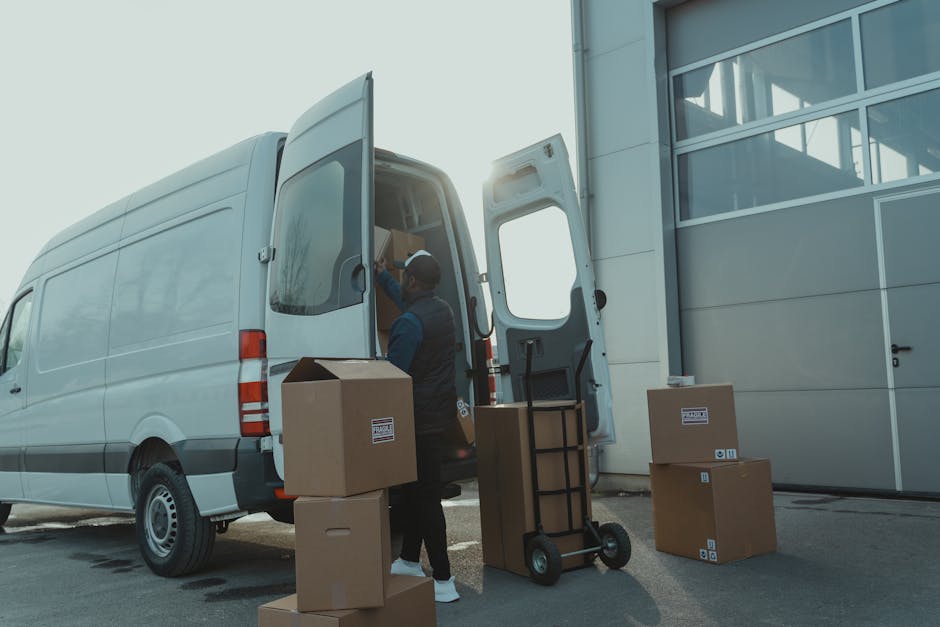
Our man with a van service in Bounds Green is set up for straightforward moving jobs, single-item collections and practical transport when you need careful loading rather than a full-scale removal crew. We focus on getting belongings moved securely, with sensible planning around access, parking and handling so the work stays organised from start to finish. That includes help with furniture, boxes, household goods and awkward items that benefit from an attentive two-person lift and a vehicle suited to the job.
If you are comparing options, a man and van arrangement is often useful when the move is too much for a car but does not call for a large lorry. It can suit local home moves, student transport, furniture pick-ups and deliveries, or the movement of a few rooms’ worth of items. Our man and van service gives you a clear starting point for that kind of work, while this page explains the service in Bounds Green and the related choices you may want to think about before requesting a quotation.
For larger loads or business moves, it helps to look at the broader scope of support available. Removal services can cover fuller plans, while the van-based approach remains a simple option for smaller or more flexible jobs. Every move has different access and handling needs, so the right setup depends on what is being moved, where it starts, and how it needs to be delivered.
Practical moving help for homes, flats and shared properties
A man with a van is often chosen for domestic moves where the task is substantial enough to need organised transport but not so large that a full removal team is essential. This can include one-bedroom flats, shared homes, studio moves, contents from storage and the delivery of furniture purchased privately. We can help load, carry and transport items in a way that keeps the process clear and manageable, with attention to protective handling and sensible placement in the vehicle.
When customers are moving out of or into properties with stairs, tight corridors or limited parking, the practical side of the job matters as much as the journey itself. It is useful to think about which items need dismantling, which can stay assembled, and whether heavier pieces should travel separately. Home moves are often easier to plan when the most awkward items are identified first, because that helps shape the load and the timing of the work. If you need something simpler, a van-only job may still be the best fit.
The service can also be helpful where the move involves a mix of household items and individual pieces that do not justify a more complex package. Sofas, beds, wardrobes, desks, white goods and boxed belongings may all be combined into one organised trip where access allows. The aim is to keep the move efficient without overcomplicating it, so you can get belongings from one address to another in a controlled way.
Furniture, collections and direct transport

Not every booking is a home relocation. Many customers use this kind of service for collections from shops, private sellers, storage units or trade suppliers, especially when the item is large or cannot be transported safely in a smaller vehicle. Furniture pick-up is a natural fit for this work, because it often requires timed collection, careful loading and enough space to secure the item properly for the journey.
Direct transport is also useful when the item needs moving without delay between two clear points. That might be a dining table going to a new home, a wardrobe moving from one property to another, or boxed items being transferred between storage and a residence. In these cases, the job is usually easier when the item list is specific and the route is understood in advance. Moving van support can suit customers who want transport that is purpose-built for loading and carriage rather than a general courier-style delivery.
For awkward or heavy pieces, good preparation makes a real difference. Removing loose shelves, securing doors and separating fragile contents can reduce risk during the move. If several items are being collected together, it helps to note which pieces need wrapping or extra padding and which can be stacked safely. A clear plan means the vehicle can be used well and the items can be placed in a sensible order.
Planning the move and making the load manageable
Simple planning often leads to a smoother day. A short inventory, details of floors or lifts, and a sense of the largest items all help the job begin in an organised way. If the move includes furniture that can be dismantled, it is useful to know this before loading starts, because it may reduce space pressure and make lifting easier. We can then approach the collection and delivery with the right priorities in mind.
There are also practical questions around access, especially in residential streets or properties with narrow entrances. Vehicles may need positioning close to the door, and some jobs are easier when parking arrangements are clear beforehand. Moving truck pages are often associated with larger removals, but the key point here is that vehicle choice should match the scale of the move rather than be based on size alone. A van can be the right answer when the load is compact but needs careful treatment.
Helpful details to have ready include the collection and delivery postcodes, a brief list of major items, any difficult access points, and whether the job is one-way or involves more than one stop. You do not need to create a perfect plan before speaking to us, but the more accurately you describe the job, the easier it is to shape a sensible quotation and decide whether a van-based move is enough.
Office items and smaller commercial moves

Although the main focus here is domestic transport and general van work, the same service can suit smaller business moves when the load is light enough to manage without a full relocation team. That may include desks, chairs, archive boxes, IT peripherals, office furniture and stored stock that needs moving between premises. Office removals covers a broader type of commercial relocation, but a man with a van can be a practical choice for smaller, simpler or more local business transport.
Commercial customers often want movement that is discreet, steady and arranged to fit working hours or handover timings. Even a modest office move benefits from careful stacking and protection for items that could mark or tip. Where equipment or paperwork is involved, it is especially important to separate fragile materials from bulkier furniture so that the load stays orderly during transit. The service is best used where the scope is clear and the items are suitable for van carriage.
For businesses, the key decision is whether the task is a collection, a partial relocation or a full move. If it is the first two, van-based transport can be a sensible middle ground between doing it in-house and booking a larger removal operation. The most practical approach is usually the one that matches the item list, the access, and the time available for loading and unloading.
Costs, timing and what shapes a quotation
 The cost of a man with a van job is generally influenced by how much needs moving, how far it is travelling, whether there are multiple stops and how straightforward the loading conditions are. Heavy furniture, fragile items, long carries from the property, and access challenges such as upper floors or restricted parking can all affect how the work is planned. A quotation is usually more accurate when the main pieces, the addresses and the expected timing are described clearly.
It also helps to consider whether the job involves a single collection, a same-day drop-off or a move split across different locations. Some customers only need transport for a few items, while others need a fuller van load with loading assistance at both ends. A clear outline of the task lets the job be matched to the right vehicle and approach, which is often more useful than trying to force every moving task into the same pattern.
If you are preparing a request, think about the size of the largest item, whether there are items needing wrapping, and whether anything will be ready at ground level. A short and accurate description is usually better than a long one. Pricing and quotes is the place to look when you want to understand how quotations are put together and what information is most relevant.
About Bounds Green
Bounds Green is a north London area in the London Borough of Haringey, positioned between Wood Green and Muswell Hill and centred around the historic route of Bounds Green Road and the nearby station on the Piccadilly line. The district takes its name from a former common or green, and its present character reflects layers of suburban development that expanded around transport links in the late nineteenth and early twentieth centuries. Much of the area is defined by terraced housing, mansion blocks and quieter residential streets, giving it a mixed urban character that feels distinctly part of inner north London while still retaining a neighbourhood scale. Nearby Alexandra Palace, with its hilltop setting and parkland, is one of the most recognisable landmarks in the wider locality, and its presence adds a strong visual reference point in the surrounding landscape. The area also sits within easy reach of larger shopping and commercial centres, yet retains a more residential feel than those busier corridors. Green space is an important part of the district’s identity, with parks and tree-lined streets helping to soften the built environment. Local architecture varies from Edwardian and interwar homes to later infill development, so the streetscape can change quite quickly from one road to the next. That variety gives Bounds Green a layered, lived-in quality rather than a single uniform style, and it remains connected to the city through transport, housing and long-established neighbourhood patterns.
Household removals at different scales
Some people start by booking a van for a single item and then realise they need support for a fuller household move. That is where it helps to distinguish between a smaller transport job and a broader removal plan. House removals usually involve more furniture, more packing and a more structured loading process, while a man and van booking remains useful when the load is modest or when the move is being broken into stages.
For households with fewer possessions, the service can still be highly practical. It can move boxes, beds, tables, small appliances and bags of belongings without requiring the complexity of a large crew. If items are already packed and ready to load, the journey can often be arranged in a straightforward way. Where there are delicate or irregularly shaped items, it makes sense to discuss them early so the vehicle space is used properly and nothing is left to chance.
One sensible approach is to group items by room or by type before the move begins. That does not mean everything has to be packed like a full removal project, but a little structure often makes the loading process quicker and helps avoid confusion at delivery. It also makes it easier to decide whether the job is best treated as a small move, a furniture transport run or a wider domestic relocation.
Packing support, protection and safe handling

Some bookings are simplest when items are already packed, but others benefit from additional support with preparation. Packing and unpacking services are relevant where customers want help protecting belongings before transit or settling them after delivery. Even without a full packing service, good wrapping, labels and sensible box sizes can make a man with a van job smoother and less stressful.
Safe handling matters most where the load includes fragile or valuable items, odd-shaped furniture or anything with glass, mirrors or loose fittings. Blankets, straps and secure positioning inside the van all help reduce movement in transit, but the process begins before the vehicle moves. If a piece needs extra care, it is better to identify that early rather than after loading has started. The same applies to items that should not be placed on their sides or stacked beneath heavier loads.
When planning the job, think about what should travel together and what should be separated. Small hardware, cables and removable parts can be kept with the item they belong to, while breakables may need their own cartons. The aim is not to over-engineer the move, only to keep the contents organised enough that they arrive in good order and can be put in place without unnecessary delay.
Choosing between a van move and a fuller removals service
There is no need to choose the biggest service available if a smaller one will do the job properly. A man with a van is often enough for single-room moves, furniture collections, multi-box transport and deliveries that need attention rather than heavy logistics. Removals is a broader category, and it becomes more relevant when the load is larger, the packing is more involved or the move calls for a fuller operation with more time and space.
That choice is easier when the job is assessed by items rather than by assumptions. A few large pieces can sometimes be harder than many small boxes, while a modest property move can still require extra care if there are stairs, narrow turns or unusual furniture. The best fit is the one that reflects the actual work rather than a one-size-fits-all label. If the load is compact and direct, the van-based approach may be the most efficient option.
When you are ready to compare options, ask yourself whether you need transport only, loading help, or a broader removal plan. If the answer is mainly transport and loading, a man with a van service is often the practical middle ground. If the answer includes more packing, more volume or more complex access, it may be worth looking at a larger removal arrangement instead.
Request a quotation for your Bounds Green move
To ask for a quotation, prepare a short description of the items, the collection and delivery points, and anything that might affect access or handling. A clear note about furniture size, stairs, parking and timing is usually enough to begin. If there are several items, listing the biggest ones first can help the job be understood quickly and prevent the quotation from being based on guesswork.
You can also mention whether the move is local, whether it involves a return journey, and whether any items need special care. That allows the work to be shaped into a sensible plan without unnecessary complexity. Contact us when you are ready to request a quotation and tell us what needs moving, and we can help you understand the best way to approach the job.
If you are still deciding between van transport and a larger removal option, it is perfectly fine to start with the basics and build from there. The important thing is to send enough detail for the move to be assessed properly. A clear request is the quickest route to a useful quotation, so send the item list and addresses when you are ready.