




Applying for parking suspensions for a Bounds Green move
Posted on 31/07/2026
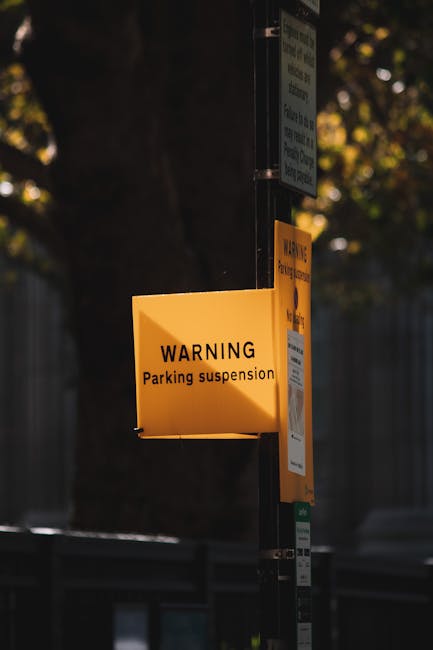
If you are moving in Bounds Green, parking can become the part of the day that quietly causes the biggest headache. A van arrives, boxes are ready, the sofa is awkward, and then-of course-the closest space is taken. That is why applying for parking suspensions for a Bounds Green move is often one of the smartest bits of planning you can do. It helps protect your time, reduce stress, and make sure the removal team can work without a constant shuffle of vehicles, cones, or last-minute guesswork.
In this guide, we will walk through what a parking suspension actually does, how it fits into a local move in N11, and the practical steps that help you avoid delays. We will also cover common mistakes, compliance considerations, and a simple checklist you can use on the day. If you are juggling packing, key handover, and maybe a slightly overfull kettle in the corner, you are not alone.
Why Applying for parking suspensions for a Bounds Green move Matters
Parking suspensions matter because removals are time-sensitive. A moving van needs enough space to park close to the property, ideally with room for loading and unloading without blocking traffic or risking a penalty. In a busy London area, that is easier said than done. Bounds Green has a mix of residential streets, flats, and busier through-routes, so access can change street by street. A suspension gives you a clearer window to work with and reduces the chance of the van circling the block while everybody waits in the hallway.
For a house move, the parking side can affect everything else: how long the job takes, how many trips are needed, whether larger furniture can be moved safely, and even whether fragile items stay secure. Truth be told, a ten-minute parking problem can turn into a two-hour delay if the van has to stop too far away. That is exactly the kind of detail that gets overlooked when people focus only on packing.
It also helps with neighbour relations. No one likes finding a removal van half blocking their driveway or squeezing in front of a junction early on a Monday morning. A planned suspension, combined with sensible move-day timing, is a much cleaner way to handle things. If you are already thinking ahead about access, you may also find it useful to review local route and parking tips for Bounds Green roads and the broader advice in this N11 move-day checklist.
How Applying for parking suspensions for a Bounds Green move Works
In plain English, a parking suspension temporarily reserves a parking space or bay so it is not used by other vehicles during your moving window. The exact rules, fees, lead times, and permit conditions depend on the local authority and the street type. In practice, you usually need to provide the move date, the location, the length of suspension required, the vehicle details if known, and a reason for the request.
For a moving day, this is often used in one of three ways:
- A suspended bay outside the property for the removal vehicle.
- Temporary space protection on a narrow street where loading would otherwise be difficult.
- Parking control support where access is tight and the van must stay close to the entrance.
There is a small but important distinction here. A parking suspension is not the same as a general parking permit. A permit often allows a vehicle to park under certain conditions, while a suspension is about stopping others from using a specific space. For moving day, that distinction can be the difference between a smooth load and a frantic apology to your porter, your neighbours, and possibly the driver. Nobody wants that, to be fair.
When a move involves bulky furniture, fragile glass, or awkward stairwells, the vehicle position becomes even more important. You can see this in practical terms on jobs like furniture removals in Bounds Green or more specialist work such as piano removals in Bounds Green, where a few extra metres can make a surprisingly big difference.
Key Benefits and Practical Advantages
The biggest benefit is simple: less friction on moving day. But there are a few more advantages worth spelling out, because the practical value goes beyond convenience.
- Closer loading point: Boxes, appliances, and furniture spend less time on pavements or in the rain.
- Shorter move time: Less walking between property and van usually means a more efficient job overall.
- Lower strain on the team: Fewer long carries reduce the chance of fatigue and mishandling.
- Less risk of conflict: No awkward parking disputes with neighbours or nearby residents.
- Better control of the schedule: Especially helpful if you have movers, cleaners, or key handover timings lined up.
There is also a safety angle. If the van is parked close to the property, heavy items are less likely to be dragged across wet paving, uneven kerbs, or narrow stairwells. That matters if you are moving larger household goods or using a compact vehicle setup. If you are comparing move options, the planning side often sits alongside service choice, so pages like house removals in Bounds Green and man with a van in Bounds Green can help you think through the overall setup.
One small reality check: a parking suspension is useful, but it is not magical. It works best when it is paired with good communication, accurate timings, and a move crew that knows the area. Still, when it works, it really works.
Who This Is For and When It Makes Sense
Not every move needs a parking suspension. If you are in a quiet street with plenty of unrestricted parking, you may be fine with careful timing and a small van. But in many Bounds Green moves, especially around busier residential pockets, flats, or roads with tight parking pressure, it quickly becomes worthwhile.
It usually makes sense if you are:
- moving from or to a flat with limited outside space;
- using a medium or large removal van;
- moving with bulky furniture, white goods, or delicate items;
- working to a strict handover or completion time;
- sharing the street with high parking demand;
- planning a same-day or tightly timed relocation.
If you are a student moving into a flat, the streets around local transport links can be especially tight on space. If that sounds familiar, our student removals Bounds Green and flat removals Bounds Green pages are a useful next step. Office relocations, too, can benefit from controlled loading space, particularly if equipment needs to be kept organised and dry.
As a rough rule, the more you are moving and the less generous the street parking, the more you should consider a suspension. That is especially true if you are aiming for a stress-light move rather than a heroic, slightly chaotic one.
Step-by-Step Guidance
Here is a practical way to approach the process without overcomplicating it.
- Check your move date early. The earlier you know the date, the better. Parking control requests are much easier to arrange when the timetable is fixed.
- Assess the street outside both properties. Measure the space, note any double yellow lines, loading restrictions, school areas, bus stops, or resident bays, and think about where the van would actually stand.
- Estimate the vehicle size. A small van and a long-wheelbase removal van create very different parking needs.
- Decide how long you need the space. Always leave breathing room. A move that looks like two hours on paper often needs more once furniture starts meeting staircases.
- Gather the details you will be asked for. Commonly this includes the address, dates, times, and a description of the vehicle.
- Plan for signage or notification. In many cases, the suspended space needs to be marked clearly so everyone understands it is reserved.
- Build the parking plan into the rest of the move. Confirm loading order, access routes, and any lift or stair restrictions before the day arrives.
If your move is already becoming a little last-minute, do not panic. Same-day and urgent moves can still be organised more cleanly than people expect, especially when the access plan is simple and the team is prepared. You may want to look at same day removals in Bounds Green or emergency same-day removals in Bounds Green if timing is tight.
And yes, check the street twice. The first look tells you whether there is parking. The second look tells you where the van can actually fit without someone reversing out at the worst possible moment.
Expert Tips for Better Results
Experience tends to teach the same few lessons over and over. The people who get parking right usually do the little things early.
- Ask for the smallest workable space, not the biggest dream. It is easier to secure a realistic plan than an over-optimistic one.
- Match parking to load order. If your sofa is first out, make sure it is the easiest item to reach from the vehicle.
- Check both addresses. The old place and the new place can have very different restrictions. One may be simple; the other, not so much.
- Keep the first hour of the move clear. That early window is often the most efficient. Sun up, kettle on, boxes moving-that sort of rhythm.
- Coordinate with cleaners and key holders. A parking window that clashes with another contractor's arrival can create silly delays.
A practical tip that gets missed a lot: think about weather. If it is wet, or if you are moving in the dark on a winter afternoon, a van parked farther away can add extra risk because carrying boxes across slippery pavement is never ideal. Small detail, big difference.
If you are still choosing the right moving support, it can help to compare service formats through removal services in Bounds Green, man and van services, and a suitable removal van option. The vehicle choice and the parking plan should really be thought about together.

Common Mistakes to Avoid
Most parking problems on move day are surprisingly avoidable. The trouble is, people are busy and the details feel minor until they are not.
- Leaving it too late. A rushed request can limit your options and force awkward compromises.
- Guessing the space required. A van needs more room than many people imagine, especially when tail lifts or rear access are involved.
- Forgetting both ends of the move. Parking at the new property matters just as much as the old one.
- Assuming the space will stay clear without proper notice. If it is not marked correctly, someone may park there anyway.
- Not factoring in access obstacles. Trees, low branches, railings, and tight turns all matter.
- Mixing up a suspension with a permit. They are different things with different purposes.
A more subtle mistake is underestimating how parking affects the rest of the schedule. If the van cannot get close enough, movers spend longer walking items out. That can push back delivery, cleaning, and even your first night in the new place. Not ideal, obviously.
You can also reduce risk by reviewing other move factors early, such as packing discipline through packing and boxes in Bounds Green and pre-move organisation with expert decluttering strategies. Less clutter usually means less urgency, and less urgency tends to keep parking plans calmer too.
Tools, Resources and Recommendations
You do not need a pile of complicated tools to handle a parking suspension request, but a little preparation helps. A notebook, phone camera, screenshot tool, and a clear timetable are often enough. The most useful habit is simply to gather information before you need it.
Useful things to have ready:
- full addresses for both properties;
- target moving date and realistic time window;
- vehicle type and approximate length, if known;
- details of any access limitations;
- backup contact number for the person on site;
- any notes about loading bays, one-way systems, or resident bays.
For many movers, the most helpful resources are actually local service pages and practical advice articles rather than big generic checklists. A good starting point is the services overview, which helps you see how parking planning fits into the wider move. If you need a sense of the company and how it works, the about us page is useful too. And if you want to discuss your particular access situation, the straightforward route is the contact page.
For larger jobs, it can be smart to think through storage, disposal, and protective packing at the same time. That avoids the classic moving-day pile-up where the van is waiting, the hallway is full, and one awkward chair seems to be in charge of the whole operation.
Law, Compliance, Standards, or Best Practice
Parking suspensions sit inside local traffic management rules, so it is wise to treat the process carefully. The exact requirements are set by the relevant local authority, and those can change depending on the road, bay type, and timing. Because of that, it is safest to assume there will be conditions attached and that you should not rely on informal arrangements alone.
From a best-practice point of view, the key principles are simple:
- Apply early. Lead time matters.
- Provide accurate information. Wrong dates or vehicle details can cause problems.
- Display any required signage correctly. If a bay is suspended, other road users need to understand it clearly.
- Do not overstay the agreed window. A move running late is common; ignoring the booked period is not.
- Keep the paperwork. Save confirmation details, especially if several people are involved in the move.
There is also a wider duty of care. Removal teams should work safely, protect property, and avoid creating unnecessary obstruction. That is where broader operational standards matter too. Pages such as health and safety policy, insurance and safety, and terms and conditions are worth reviewing if you want a fuller picture of how a professional move is handled.
Where disposal or leave-behind items are involved, keep compliance in mind there as well. If you are clearing bulky items before or after the move, the article on bulky waste pickups in Bounds Green is a practical companion read. And if you are comparing disposal options, skip hire disposal rules in Bounds Green and Haringey may help you avoid crossed wires.
Options, Methods, or Comparison Table
There is more than one way to handle move-day parking. The right option depends on the street, the size of the move, and how much certainty you need.
| Option | Best for | Pros | Watch-outs |
|---|---|---|---|
| Parking suspension | Busy streets, tight loading, larger vans | Closest access, clearer control, less congestion | Needs planning and may involve conditions or fees |
| Standard parking/permits only | Lower-pressure streets or smaller vehicles | Simple where space is available | Space may still be taken by other vehicles |
| Careful timed loading without reservation | Very short moves or quiet roads | Minimal admin | Least reliable if parking is competitive |
| Alternative access plan | Restricted roads, awkward bay layouts, or mixed-use streets | Flexible and sometimes the only workable route | May require more carrying and more time |
In many real moves, the best answer is not one option alone but a combination. For example, a van may use a suspended bay at the old property and a carefully managed access point at the new one. That kind of two-sided planning is especially useful for office removals in Bounds Green or for more complex home moves where access is split between buildings.
Case Study or Real-World Example
Imagine a small family moving out of a first-floor flat in Bounds Green on a Friday morning. The street is busy, parking is often tight, and the removal van needs to sit close to the entrance because there is a sofa, a mattress, a freezer, and several heavy boxes. The family also has a clean-out planned for later in the day, so timing matters. Nothing dramatic. Just the sort of moving day that becomes stressful if one detail is missed.
They arrange the parking in advance and keep the loading route short. That means the crew can move items down the stairs efficiently, without leaving boxes on the pavement while they hunt for space. A freezer, in particular, is not something you want standing awkwardly in the road. If you are handling appliances like that, you may find properly storing your freezer and moving your bed and mattress safely useful as supporting reads.
The result is not glamorous, but it is effective. Fewer delays. Less carrying. Less grumbling. And, importantly, no last-minute scramble to move the van because someone else has parked in the ideal spot. That is the kind of calm that feels very ordinary in the moment and very valuable afterwards.
Practical Checklist
Use this checklist in the days before the move.
- Confirm your move date and time window.
- Check parking pressure at both addresses.
- Measure likely van access and loading space.
- Decide whether a suspension, permit, or alternative plan is most suitable.
- Gather vehicle details and address information.
- Plan for both ends of the move, not just one.
- Keep contact details ready in case something changes on the day.
- Prepare boxes and furniture in load order.
- Protect entrances, hallways, and stair rails where needed.
- Recheck the plan the evening before, then again in the morning. Sounds simple, but it helps.
If you are still at the planning stage and want a smoother overall move, a bit of decluttering before the big day can make parking easier too. Fewer items often means a smaller vehicle or a shorter loading window. Small wins add up.
Get a free quote today and see how much you can save.
Conclusion
Applying for parking suspensions for a Bounds Green move is one of those practical steps that pays off quietly. You may not notice the benefit in a dramatic way, but you will feel it in the smoother loading, shorter carrying distances, calmer timing, and reduced risk of last-minute chaos. In a busy London move, that is no small thing.
My advice is straightforward: think about parking early, pair it with your access plan, and treat it as part of the move rather than an afterthought. If your street is tight or your van is large, a suspension can make the difference between a rushed day and one that feels manageable. And honestly, manageable is a lovely word on moving day.
With the right planning, the whole process becomes much less noisy, less rushed, and far more human. One clear space outside the door can save a surprising amount of energy inside it.