



Avoiding stairway damage in Victorian Bounds Green homes
Posted on 14/06/2026
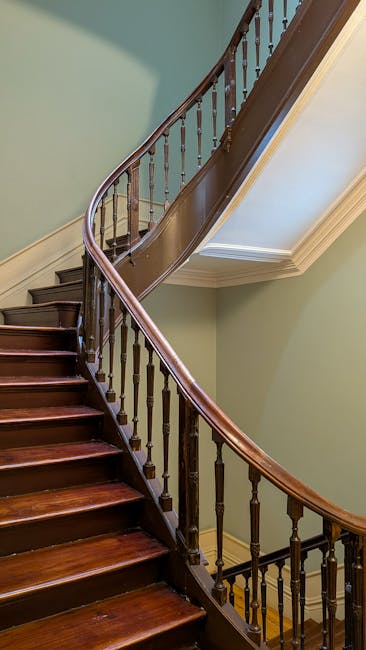
Victorian houses in Bounds Green have a certain charm: original banisters, narrow stair runs, painted skirting, old timber treads, and those lovely little quirks that make the place feel lived in. They also make moving day a bit of a tight squeeze. If you are avoiding stairway damage in Victorian Bounds Green homes, the trick is not brute force. It is planning, protection, and calm handling from the first box to the last awkward corner.
Let's face it, a staircase is often the most vulnerable part of a period property. One careless turn with a wardrobe, one wobble from a mattress, one scrape from a metal foot, and you have a repair job on your hands. This guide walks through how to protect stairways properly, why it matters, what to watch for in older homes, and how to move awkward items without leaving chips, dents, or scuffed walls behind.
If you are planning a full house move, a flat move, or just trying to get one bulky item upstairs without drama, this article will help you avoid the common mistakes. It also points you towards useful related reading such as packing smarter for a smoother move and moving a bed and mattress without the usual hassle. A little preparation goes a long way, honestly.

Why Avoiding stairway damage in Victorian Bounds Green homes Matters
Victorian staircases are often narrower, steeper, and more delicate than people expect. In Bounds Green, many period homes still have original timber steps, old plaster walls, decorative bannisters, and tight landings that were never designed for today's bulky furniture. That makes them especially prone to accidental impact during removals.
Damage is not just cosmetic. A gouged tread, split handrail, cracked plaster edge, or dented wall can become a nagging expense after the move. In rented homes, it can also create awkward conversations with landlords or agents. And if you are selling, even minor scuffs can change how the property feels the moment someone steps inside. First impressions matter. You know that already, but on a staircase it becomes very obvious.
There is also a safety angle. A scratched stair can sometimes hide loosened edging, splinters, or unstable paintwork. If movers are carrying something heavy and the staircase is crowded, one small slip can turn into a bigger incident. That is why stairway protection is part practical care, part risk management, and part plain common sense.
In older homes, the staircase is usually a route through the property, not just a feature. Boxes, furniture, mattresses, and appliances all have to pass through it. If that route is not treated properly, the whole moving day becomes slower, noisier, and a bit more stressful than it needs to be.
How Avoiding stairway damage in Victorian Bounds Green homes Works
At its simplest, stairway protection means creating a controlled moving path. That path has three jobs: shield the surfaces, reduce friction, and make the item easier to manoeuvre. Once those three are in place, the risk drops quite a lot.
The process usually starts before anything heavy is lifted. You look at the staircase from the bottom, the top, and the tightest turn in between. Then you decide what needs covering, what needs clearing, and which items are too awkward to move without extra help. Sometimes the answer is straightforward; sometimes the staircase is basically saying, "not this way, mate."
Protective materials matter here. Soft covers help with walls and bannisters, while firmer runners or pads protect the steps themselves. Corner guards can stop a wardrobe edge from shaving off plaster at the bend. And careful wrapping on the item itself helps it glide rather than drag. The idea is not to cocoon everything endlessly. It is to protect the points where contact is most likely.
Technique matters just as much as materials. Two people may carry a sofa, but only one pair of hands should be directing it through the stair turn. The rest is about timing, communication, and tiny movements. Slow is often faster in a Victorian hallway. Sounds obvious, but it saves people from trying to muscle through and nicking a wall on the way.
Key Benefits and Practical Advantages
Good stairway protection is one of those things people only notice when it has not been done. When it is done properly, the move feels calmer, tidier, and more professional. It can also save time because nobody has to stop and inspect every scuff after each carry.
- Less damage risk: Padding, wrapping, and route planning reduce scuffs, chips, and scrapes.
- Smoother handling: Items move more predictably when friction and snag points are reduced.
- Better safety: Clear stairways and controlled lifting reduce the chance of slips or dropped items.
- Less stress: You are not trying to dodge the bannister with a chest of drawers at the same time as worrying about the clock.
- More confidence with bulky items: Mattresses, wardrobes, freezers, and pianos all benefit from a more deliberate approach.
There is also a subtle but real benefit to the overall feel of the move. A home that has been handled carefully tends to look respected, and that matters in period properties where the details stand out. A Victorian staircase has presence. Treat it well and it stays elegant; bash it about and it suddenly looks tired. The difference is immediate.
For people organising a bigger relocation, stair protection goes hand in hand with sensible planning. If you are looking at a complete move, it may help to review house removals in Bounds Green alongside practical guidance such as how to make the whole move feel less overwhelming. A good plan is never wasted.
Who This Is For and When It Makes Sense
This topic matters most if your property has a narrow staircase, a curved stairwell, a small landing, or original finishes that would be painful to damage. That covers a lot of Victorian homes in Bounds Green, especially those converted into flats or extended over time.
It is particularly useful for:
- homeowners moving out of or into a period property
- renters who want to avoid deposit deductions
- landlords preparing a property between tenancies
- families moving larger furniture upstairs or downstairs
- students or flat-sharers with awkward access and tight turning points
- anyone handling large, heavy, or brittle items through a shared hallway
It also makes sense if you are moving at short notice. A rushed move often creates more risk than a planned one, which is why services such as same-day removals in Bounds Green can still benefit from careful stair protection. Speed is useful, but not if the staircase pays for it.
If you are working with a smaller team, you may want to read practical advice on lifting heavy items more safely too. It is not the same as a full removal crew, of course, but the core principles overlap quite a bit.
Step-by-Step Guidance
Here is the part that helps most people: a straightforward sequence you can actually use. Not theory. Not a vague "be careful" list. A proper route through the job.
- Measure the awkward bits first. Check stair width, landing space, ceiling height near the turn, and any bannister projections. A wardrobe that "looks fine" at the front door can turn into a nightmare halfway up.
- Clear the stairway fully. Remove loose rugs, shoes, baskets, plant pots, mirrors, and anything that can be knocked over. Victorian staircases are often already tight, so keep the route clean.
- Protect the surfaces. Cover treads, risers, banisters, and wall edges with appropriate protection. The exact setup depends on the finish, but the goal is simple: no hard contact with timber or plaster.
- Wrap the item. Use blankets, shrink wrap, or padded covers on corners and vulnerable edges. If a piece has metal feet, handles, or exposed bolts, give those extra attention.
- Plan the turning point. This is where damage most often happens. Decide who leads, who supports, and who gives the call at the bend. One calm voice is better than three people talking at once.
- Move slowly and stop early. If something catches, stop. Do not yank it forward. Reset the angle and try again. That pause can save a wall.
- Check after every major item. Look for fresh scuffs or disturbed protection. A five-second check beats discovering a mark at the end of the day when everyone is tired and the tea has gone cold.
If the item is especially awkward, it may be worth moving it via a different route or storing it temporarily. That is where local storage options in Bounds Green can become surprisingly helpful. Sometimes the best stair-safety move is not forcing the item through at all.
Expert Tips for Better Results
There are a few small things that make a big difference in older homes. These are the details that experienced movers tend to notice immediately.
Use light, not just padding. Good lighting on the stairwell helps people spot edges, changes in height, and shallow bumps in the tread. Older homes can have dull corners and awkward shadows, especially in the late afternoon.
Protect the corners before the item arrives. People often wrap the object but forget the staircase itself. Bannister edges, plaster corners, and tight wall returns need protection before the first lift starts. Not after.
Assign a spotter. For anything large, one person should stay focused on clearance. They are not lifting; they are watching the gaps. That role feels a bit quiet, but it prevents the classic "nearly there" scrape.
Remove excess weight from items where possible. Take drawers out, detach shelves, empty cabinets, and remove loose parts. This is not glamorous work, yet it cuts wobble and makes corners much easier to manage.
Match the move to the item. A mattress behaves differently from a freezer, and a sofa behaves differently again. For beds, you may find specific bed and mattress moving tips useful, while bulky cabinetry might call for a more furniture-led approach such as furniture removals in Bounds Green.
And one more thing: do not rush the stair turn just because the ground floor looked easy. That bend can be a bit of a trap. It always feels smaller when you are carrying something, funny that.
Common Mistakes to Avoid
The same few mistakes appear again and again in older homes. Avoid these and you are already ahead of most rushed move days.
- Skipping measurement: Guessing the fit leads to twisting, dragging, and contact with the walls.
- Using no protection on the stairs: Bare timber and plaster are unforgiving, especially around corners.
- Trying to carry too much at once: If the item feels unstable, split the load or change the plan.
- Forcing the turn: This is the classic damage moment. If it is not moving cleanly, stop and reset.
- Ignoring banister wear: Decorative rails can mark surprisingly quickly. A glossy painted finish shows every touch.
- Not clearing the route fully: One pair of shoes on a step can be enough to throw someone's footing off.
People also forget that older staircases can have slight movement or wear already. That does not mean they are unsafe, but it does mean they should be treated with extra respect. If a tread creaks more than it should, adjust your load and slow down. Simple, really.
Tools, Resources and Recommendations
You do not need a warehouse of gear, but a few well-chosen items make stair protection much easier.
- Thick furniture blankets: Good for wrapping bulky items and cushioning contact points.
- Floor runners or protective boards: Useful for reducing scuffs on timber steps and improving grip.
- Corner protectors: Helpful where walls, landings, and stair turns are tight.
- Strong tape: For securing protection without letting it slip during the move.
- Straps and lifting aids: Best for keeping awkward items stable and sharing the weight properly.
- Gloves with grip: Not glamorous, but very practical on long or sweaty lifts.
For wider move planning, a few supporting pages can help you build the full picture. If you are still sorting what to take, decluttering before the move can reduce the number of items heading up the stairs in the first place. If you need packing materials, packing and boxes in Bounds Green is a sensible place to start.
If you are comparing service levels or deciding how much help to book, the services overview and pricing and quotes pages are useful next steps. That is often the part where people realise they do not need to do everything alone.
Law, Compliance, Standards and Best Practice
For a home move, the main compliance issues are usually about safety, duty of care, and reasonable handling rather than some dramatic legal rule about staircases. In the UK, anyone carrying out removals should work sensibly, avoid preventable injury, and handle property carefully. That is the practical baseline.
In older buildings, especially shared Victorian conversions, there may also be considerations around common hallways, neighbours, and building management. Keep access clear, avoid blocking exits, and be considerate with noise and timing. If you are moving through shared space, that basic courtesy matters more than people think. Nobody likes a stairwell blocked by a sofa at 7:30 in the morning.
Best practice also means matching the move to the item and the property. If an object is too large, too heavy, or too fragile for the stair route, a responsible approach is to pause and reassess rather than forcing it through. That is not being overcautious. That is being sensible.
If you want a sense of how a professional team approaches safety and handling more broadly, the site's health and safety policy and insurance and safety information are useful references. They help set expectations around careful work, which is exactly what you want in a period home.
Options, Methods and Comparison Table
There is no single best method for every Victorian staircase. It depends on the item, the space, and how much protection you need. Here is a simple comparison to help you decide.
| Method | Best for | Strengths | Limitations |
|---|---|---|---|
| Basic blanket protection | Small to medium items, light traffic | Quick to set up, low cost, decent cushioning | Limited grip and lower protection on tight turns |
| Full stair and wall covering | Moves with bulky furniture or repeated trips | Best surface protection, better for valuable finishes | More time to install, needs more material |
| Professional removal approach | Heavy, fragile, or awkward items | Better handling, stronger planning, less risk | Usually more expensive than DIY |
| Temporary storage first | Items that do not fit safely through the stair route | Reduces pressure on the move, avoids damage | Needs extra scheduling and space |
For a single small move, basic protection may be enough. For a large house move in a Victorian property, a fuller approach usually pays off. And for items like pianos or oversized wardrobes, specialist handling is often the only sensible option. That is exactly why pages like piano removals in Bounds Green and piano transportation guidance are worth a look if your move includes something unusually heavy or delicate.
Case Study or Real-World Example
Imagine a typical Victorian terrace in Bounds Green with a narrow front hallway, a steep staircase, and a right-angled turn halfway up. A couple are moving out after several years in the property, and their biggest challenge is a double mattress, a wardrobe, and a sideboard with fixed feet. Nothing outrageous, but enough to test the stairwell.
Instead of trying to carry the wardrobe straight up first, they start by clearing the hallway, protecting the stair edges, and taking the wardrobe doors off. The mattress goes first because it is flexible and easier to guide around the turn. The sideboard is wrapped carefully, with its feet padded. The wardrobe is left until last, when the team is warm, coordinated, and no longer rushing to beat the clock.
The key difference is not strength. It is sequencing. By moving the easiest item first and the hardest item last, they reduce crowding and build confidence. That sounds small, but in a tight staircase it matters. You can almost hear the house settle when the process is calm rather than frantic.
If you are moving somewhere nearby with awkward access, the same thinking applies. Local route planning and timing can make a big difference too, especially if parking is tight or you are navigating busy streets near transport hubs. For more on that side of things, removal routes and parking tips in Bounds Green and flat move guidance near Bounds Green Tube Station are practical follow-ups.
Practical Checklist
Use this checklist the day before or on the morning of the move. It keeps things tidy and gives you a quick sense-check before the lifting starts.
- Measure the staircase, landing, and tightest turn.
- Clear shoes, rugs, bins, and loose items from the route.
- Protect stair treads, wall edges, and bannister corners.
- Wrap large furniture and cover sharp or metal parts.
- Remove drawers, shelves, or loose fittings where possible.
- Assign one person to direct movement through each turn.
- Agree on stop points and hand signals before lifting.
- Keep children and pets well away from the stairway.
- Check the protection after each heavy item.
- Pause if anything catches, shifts, or feels unsafe.
One more small thing: make sure you have water and a short break planned. People forget this all the time, then wonder why everyone gets clumsy after forty minutes. Moving is physical. A bit obvious, but true.
Get a free quote today and see how much you can save.
Conclusion
Avoiding stairway damage in Victorian Bounds Green homes comes down to a simple idea: respect the staircase before it demands respect back. Measure carefully, protect the surfaces, move slowly, and do not force awkward items through a route that is already tight. That approach saves money, reduces stress, and keeps the character of the property intact.
Victorian homes are beautiful, but they ask for a bit more care during removals. The good news is that once you know what to look for, the process becomes much less intimidating. A calm plan, the right materials, and a sensible moving order can turn a nerve-wracking stairwell into a manageable part of the day. Not easy, perhaps. But manageable, absolutely.
If you are preparing a move and want a steadier hand on the process, explore more about man with a van in Bounds Green, man and van support in Bounds Green, or local removals in Bounds Green. Sometimes the best way to protect a staircase is simply to bring in the right help at the right moment.
And if you ever find yourself staring at a stubborn wardrobe on the landing, take a breath. Slow hands, steady feet. That usually does the trick.