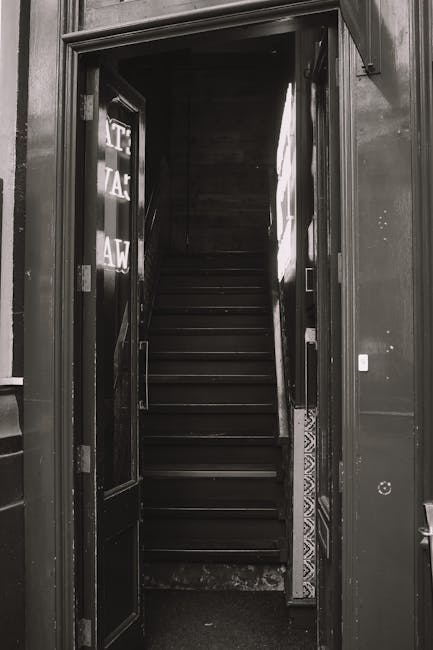
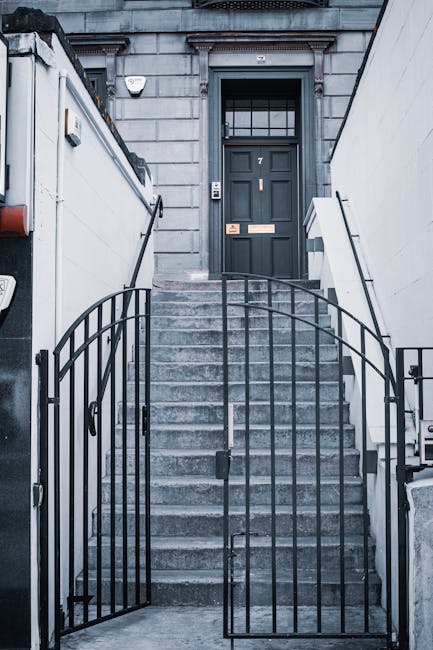
Bowes Park flat removals guide for narrow staircases
If you are moving out of a Bowes Park flat and the staircase feels more like a squeeze than a route, you are not alone. Narrow staircases, sharp turns, split-level landings and awkward Victorian or Edwardian layouts can turn a simple move into a proper puzzle. This Bowes Park flat removals guide for narrow staircases walks you through how to plan, pack and move safely without damaging walls, furniture or your nerves. It is written for real flats, real stairwells, and the kind of moving day that starts with optimism and ends with someone saying, "Right, that sofa is not going that way."
Below you will find a practical breakdown of how to prepare, what equipment helps, which mistakes to avoid, and when it makes sense to call in experienced man and van removals or a full house removals service. There is also a checklist, a comparison table, and a FAQ section for the questions people usually ask after measuring the hallway for the third time.
Key takeaway: if your stairs are tight, the move becomes easier when you reduce volume, protect the building, and choose the right lifting method before moving day, not on it.
Table of Contents
- Why narrow staircases change the whole move
- How a narrow-staircase flat move works
- Key benefits and practical advantages
- Who this is for and when it makes sense
- Step-by-step guidance
- Expert tips for better results
- Common mistakes to avoid
- Tools, resources and recommendations
- Law, compliance, standards and best practice
- Options, methods and comparison table
- Case study or real-world example
- Practical checklist
- Conclusion
- Frequently asked questions
Why Bowes Park flat removals guide for narrow staircases Matters
Bowes Park has plenty of homes where the charm is in the details: compact hallways, older stair layouts, odd-width landings and doors that seem to have been designed before modern furniture existed. That is lovely on a quiet Tuesday. On moving day, less so.
Narrow staircases matter because they affect nearly every part of the move. They change what can be carried by hand, whether a wardrobe can be turned safely, how many people are needed for the lift, and whether the move can be completed in one piece. In a flat, stairs are often the main bottleneck. Even if the van is parked perfectly, the building itself can still slow everything down.
The real issue is not only size. It is the combination of angle, height, railings, ceiling turns, and the wear and tear on the property. A narrow staircase can create a domino effect: one awkward item slows the team, which delays loading, which pushes the schedule, which adds pressure. And pressure is exactly what makes mistakes happen.
That is why planning for the staircase is not an extra. It is the move.
How Bowes Park flat removals guide for narrow staircases Works
The best way to approach a difficult stairwell is to treat it like a route-planning exercise, not just a lifting job. You begin by measuring, then reducing, then protecting, then moving in a controlled order. Simple enough in theory. In practice, it is a bit of a dance.
Start by checking the narrowest points: the stair width, any bends, ceiling height on the turn, doorway sizes, and the landing space at each level. A tape measure helps, but so does standing there and imagining the largest item you own turning corner by corner. If you own a bed frame, bookcase, sofa or washing machine, that mental test matters.
Next, decide what should be dismantled. Flat-pack furniture may still come apart partly. Bed bases, table legs, headboards, shelving and some wardrobes often move better in pieces. The aim is to reduce awkward angles and make each item lighter, flatter and easier to balance.
Then comes protection. Stair rails, walls, banisters and corners take a battering during rushed moves. Proper covers, blankets and edge protection reduce scuffs and keep the move calmer. That sounds obvious, but you would be surprised how much stress disappears when people stop worrying about every brush against the wall.
Finally, the loading sequence should match the stairwell. Heavier items go first if there is a safe path, or last if they are easier to carry from the top down. There is no one universal rule; the right order depends on the space. This is where experienced movers tend to think in routes, not just in boxes.
Key Benefits and Practical Advantages
A well-planned flat removal with narrow stairs saves time, but that is only the obvious benefit. The deeper value is in keeping control. When the team knows what fits, what folds, what needs lifting straps, and what should stay protected, the whole job feels steadier.
- Less risk of damage: careful handling protects furniture, walls and shared areas.
- Fewer delays: fewer surprises on the stairs mean a smoother schedule.
- Lower physical strain: correct lifting and item reduction make the move safer.
- Better use of space: smarter packing can reduce the number of trips.
- More confidence on moving day: you are not guessing at the last minute.
For many people, the biggest benefit is emotional rather than technical. Once the staircase problem has been properly thought through, the move stops feeling like a looming disaster. Truth be told, that peace of mind is worth quite a lot.
If you are comparing services, look at how much experience they have with awkward access. A provider that understands compact homes, difficult entrances and careful loading is often a better fit than the cheapest option on paper. You can also review pricing and quotes early, so you know whether the access challenge is likely to affect timing or crew size.
Who This Is For and When It Makes Sense
This guide is for tenants, first-time buyers, landlords, and anyone moving from a flat where stairs are not exactly generous. It is especially useful if your property has one or more of the following:
- steep or curved staircases
- tight landings
- small entry halls
- shared stairwells in converted houses
- older building layouts with low headroom
- large furniture that may need partial dismantling
It also makes sense if you are moving on a weekday morning, when parking pressure and neighbour traffic can make everything feel a bit tighter. Bowes Park has those ordinary London movement patterns: school runs, deliveries, commuters, and the occasional van circling for a space that never seems to appear. Not dramatic, just busy.
If you only have a few boxes and soft items, a light man with van setup may be enough. If you have a whole flat's worth of furniture, fragile items and tricky access, a more complete removal plan is usually the better call.
Step-by-Step Guidance
- Measure the access points. Check the width of the staircase, the tightest turn, the height at the landing, and the size of the front door and internal doors. If you can, measure the largest items too.
- Sort and reduce. Move less by taking less. Donate, sell or recycle things you no longer need. A flat move is the perfect moment to realise that three spare lamps are not actually essential.
- Dismantle what you safely can. Remove legs, shelves, headboards, handles or doors where appropriate. Keep screws and fittings in labelled bags.
- Pack by weight and fragility. Heavy items should be in smaller boxes. Fragile items need cushioning and clear labelling. Overfilled boxes are a nightmare on stairs.
- Protect the route. Cover corners, banisters and any easily marked surfaces. Put down floor protection if needed.
- Plan the carry order. Decide which items leave first and which need to be handed down or turned on edge.
- Stage items near the exit. Keep the hallway clear so movers are not constantly stepping around shoes, bags and loose packaging.
- Load methodically. Place items in the van in a stable order, starting with the largest and most secure pieces. For mixed loads, use blankets and straps.
- Do a final staircase check. Once everything is moved, inspect the route for forgotten screws, packaging, or scuffs that should be cleaned before you leave.
A small aside, because it matters: do not leave dismantled furniture bits in random piles "to sort out later". Later is always a lie on moving day.
Expert Tips for Better Results
In our experience, the best narrow-staircase moves are not the fastest ones at the start. They are the ones that slow down just enough to avoid chaos.
- Use smaller boxes than you think you need. On stairs, control beats capacity. A medium box that you can actually lift safely is worth more than a giant one full of books.
- Wrap corners, not just surfaces. A lot of damage happens on turns, where edges catch the wall.
- Keep a clear "rest point". If the landing is tight, decide in advance where items can pause without blocking movement.
- Remove doors if needed. Sometimes a front door or internal door buys you just enough clearance to make the difference.
- Work with the building, not against it. If an item keeps catching, change the angle early rather than forcing it through.
- Use two people for long awkward items. A wardrobe or mattress on a spiralish turn is not the moment for solo heroics.
There is also a quiet skill in timing. Early morning moves can be calmer. Fewer pedestrians. Less noise. Less of that "everyone is watching us wrestle the sofa" feeling. And yes, people notice. London flats are close quarters like that.
If your move involves a larger or more complex load, you may want to review removal services or compare options with removal companies before you book. The aim is not to overbuy the service. It is to match the service to the access problem.
Common Mistakes to Avoid
Most staircase move problems come from a small number of predictable mistakes. The good news? They are easy enough to avoid once you know them.
- Not measuring properly. Guessing is how sofas get stuck at the turn. No one wants that scene.
- Packing boxes too heavy. Heavy boxes are risky on stairs and more likely to split or twist.
- Forgetting the landing size. A staircase may seem workable until you realise there is no room to pivot.
- Skipping protection. Even a careful move can nick paint or woodwork if the route is bare.
- Leaving dismantling until moving morning. That is how stress multiplies.
- Blocking the hallway. Clutter slows the whole move and increases trip risk.
- Assuming everything must be carried fully assembled. Sometimes the smarter move is to break the item down, properly and carefully.
One more, and this one gets people every time: not telling movers about access issues in advance. If a team arrives expecting wide stairs and finds a narrow, twisting route, the day becomes harder than it needed to be. Be clear upfront. It helps everyone.
Tools, Resources and Recommendations
You do not need a warehouse of equipment to handle a flat move with awkward stairs, but a few well-chosen tools make a real difference.
- Tape measure: for doors, stair width, furniture dimensions and landing checks.
- Furniture blankets: to protect corners, woodwork and delicate finishes.
- Ratchet straps or tie-downs: useful for stabilising items in the van.
- Dolly or trolley: only where stairs and the item allow it; not every staircase is trolley-friendly.
- Stretch wrap: handy for drawers, doors and protecting surfaces from scratches.
- Labels and marker pens: for quick identification of boxes and dismantled parts.
- Gloves with grip: helpful when carrying awkward loads or slippery items.
For people who want extra help, packing and unpacking services can save a lot of time, especially if you are trying to keep boxes lighter and better organised for the stairs. It is one less thing to think about when everything else is already moving around you.
If recycling unwanted furniture is part of the plan, it is worth looking at recycling and sustainability so you can clear space responsibly. That is particularly useful when a narrow staircase forces you to be selective about what is worth taking at all.
Law, Compliance, Standards, or Best Practice
For a residential flat move, there is usually no special law about narrow staircases themselves, but there are still important duties and best-practice expectations to respect. These mostly come down to safety, property care and honest communication.
If you are moving in a building with a shared stairwell, be mindful of common areas. Keep exits clear, avoid blocking neighbours for longer than needed, and use protective coverings where reasonable. If the building has a managing agent or house rules about moving times, follow them. That is simple courtesy, but it also prevents complaints later. Nobody needs a stairwell argument on moving day.
From a safety point of view, movers should assess manual handling risks and avoid lifting in a way that strains the back, shoulders or knees. UK moving practice generally expects sensible handling, teamwork and suitable equipment. If an item feels too large or unstable for the staircase, the correct response is to reassess it, not force it through.
Insurance matters too. If you are choosing a provider, ask what cover is in place for goods in transit and accidental damage. That does not guarantee a problem-free day, of course, but it gives you a clearer picture of the risk. You can also read more about insurance and safety before deciding.
Contract terms are worth checking as well, especially where access affects timing, crew size, or parking. The fine print is not glamorous. Still, it saves arguments when everyone is tired and carrying a mattress down the stairs at 4:30 pm.
Options, Methods, or Comparison Table
Different flats need different moving approaches. Here is a practical comparison of the most common options.
| Method | Best for | Strengths | Limitations |
|---|---|---|---|
| Self-move with helpers | Small loads, short distance, minimal furniture | Lower upfront cost, flexible timing | Higher physical strain, more chance of stair damage or injury |
| Man and van | Light-to-medium loads, a few large items, local flat moves | Good balance of help and affordability, adaptable for tight access | May not suit very large furniture sets or complex multi-room moves |
| Full removals team | Full flats, heavy furniture, awkward stair layouts | More hands, better route control, less stress for you | Usually higher cost than a basic van-only option |
| Partial dismantling plus professional loading | Bulky furniture that will not turn safely on the stairs | Reduces risk and improves clearance | Requires time and careful reassembly planning |
If you are deciding between approaches, ask yourself one question: what is more likely to cost you time, stress or damage if it goes wrong? The answer usually points to the right method fairly quickly. Not always, but usually.
Case Study or Real-World Example
Imagine a two-bedroom flat in Bowes Park with a narrow staircase, a tight turn halfway up, and a long sofa that looked perfectly manageable in the showroom. On paper, it is just a sofa. In the stairwell, it becomes a geometry problem.
The move works better when the team does three things early. First, they measure the sofa and the tightest turning point. Second, they remove the sofa feet and wrap the frame edges. Third, they clear the hallway so the item can be pivoted once, not three times. That one change can save a lot of strain.
In one typical situation, the largest furniture items are taken apart first, followed by box loads split by weight rather than by room. The light boxes move upstairs in manageable runs, while the heavy items wait until the route is clear. There may be a small pause at the landing, a bit of awkward shifting, and then a clean run to the van. Nothing flashy. Just controlled, patient movement.
The real lesson is that a narrow staircase does not automatically make a move difficult. Poor planning does. Once the route is mapped properly, even awkward flats become manageable.
Practical Checklist
Use this checklist a day or two before the move. It keeps things honest.
- Measure the staircase, landing and front door
- Measure the largest items of furniture
- Decide what will be dismantled
- Pack heavy items into smaller boxes
- Label fragile boxes clearly
- Protect walls, corners and banisters
- Keep hallways clear of clutter
- Confirm parking and access arrangements
- Check whether extra help is needed for large items
- Review insurance, terms and moving time expectations
- Set aside tools, tape, bags and a marker pen
- Prepare a first-night essentials bag separately
Small but useful habit: keep screws, bolts and fittings in one clearly labelled bag for each item. It saves time, and honestly, it saves your sanity when reassembly starts.
For local residents comparing service options, browsing removals and removals near me can be a sensible next step if you want to narrow down providers that handle compact access well. If your move is straightforward, a single van may be enough; if it is more complex, ask for a fuller plan.
Conclusion
Moving from a Bowes Park flat with narrow staircases can feel fiddly, but it does not need to be chaotic. The key is to respect the building, prepare the route, pack intelligently and choose the right kind of help for the size of the job. That mix of practical planning and calm execution makes the biggest difference.
Let's face it, most moving stress comes from surprise, not hard work. Once you know what fits, what needs dismantling and what needs protecting, the move becomes much more predictable. A little care at the start saves a lot of strain later. And that is usually the real win.
If you are still deciding how much help you need, start with the access problem first, then build the moving plan around it. That simple shift makes everything easier.
Get a free quote today and see how much you can save.
Frequently Asked Questions
How do I know if my Bowes Park flat staircase is too narrow for furniture?
Measure the narrowest point, the tightest turn and the height of each landing, then compare those dimensions with your largest items. If a sofa, wardrobe or bed frame seems tight on paper, it usually is. When in doubt, assume the staircase needs a dismantling or specialist handling plan.
Can a sofa be moved up or down a narrow staircase safely?
Sometimes, yes, but only if the route, dimensions and lifting angle allow it. Sofas are often the first item to cause trouble because they twist awkwardly on turns. Removing feet, wrapping edges and using two or more people can help, but some sofas are simply better moved in a van that allows more controlled handling.
Should I dismantle my furniture before a flat move?
If an item is bulky, heavy or awkward on stairs, dismantling is usually a smart move. Bed frames, tables, shelving and some wardrobes often move more safely in parts. Keep fittings together in labelled bags so reassembly does not become a treasure hunt later.
What is the best way to pack boxes for a staircase move?
Use smaller boxes for heavy items and larger boxes only for lighter things like bedding or cushions. Overpacked boxes are risky on narrow stairs because they are harder to balance and more likely to split. A box you can lift comfortably is usually the right box.
Do I need a removals team for a small flat in Bowes Park?
Not always. If your belongings are limited and access is straightforward, a man-and-van arrangement may be enough. But if you have narrow stairs, several large items or no easy parking, a fuller removals service can save time and reduce risk.
How can I protect the stairwell during the move?
Use blankets, corner guards or other protective coverings on walls, banisters and rail edges where possible. Keep the route clear and move carefully around turns. Shared stairwells deserve particular care because even a small scuff can become a neighbour issue.
What should I tell the moving company before the job?
Give them clear details about staircase width, tight turns, parking restrictions, floor level, lift access if any, and the largest items you own. If there is an awkward bend or low ceiling, say so early. A few honest details up front can save a lot of head-scratching later.
How far in advance should I book a flat removal with narrow stair access?
As soon as you know your move date, especially if you are moving at a busy time of week or month. Access challenges may affect crew size and timing, so earlier booking gives you more choice. Last-minute bookings can still work, but the options are usually tighter.
Is insurance important for staircase removals?
Yes. Staircase moves carry more opportunity for accidental bumps, scrapes or item damage than a simple open access move. It is sensible to check what cover is included for goods in transit and handling risks before you book.
What if my furniture does not fit no matter what we try?
Then the item may need partial dismantling, alternate access, or a different moving strategy altogether. Forcing it is rarely the answer. Sometimes the best call is to reassess the item, the route and the loading order rather than risking damage to the furniture or the building.
Can packing and unpacking help with narrow staircase removals?
Absolutely. Better packing makes boxes easier to carry, easier to stack and less likely to cause delays on stairs. It also helps the unloading side because items are organised, labelled and less likely to get misplaced in the shuffle.
What is the simplest way to reduce moving stress on the day?
Prepare the route, keep the hallway clear, label everything well and avoid leaving dismantling until the last minute. Then build in a bit of breathing room. A move with narrow stairs is never glamorous, but it becomes manageable when you stop treating the staircase as an afterthought.