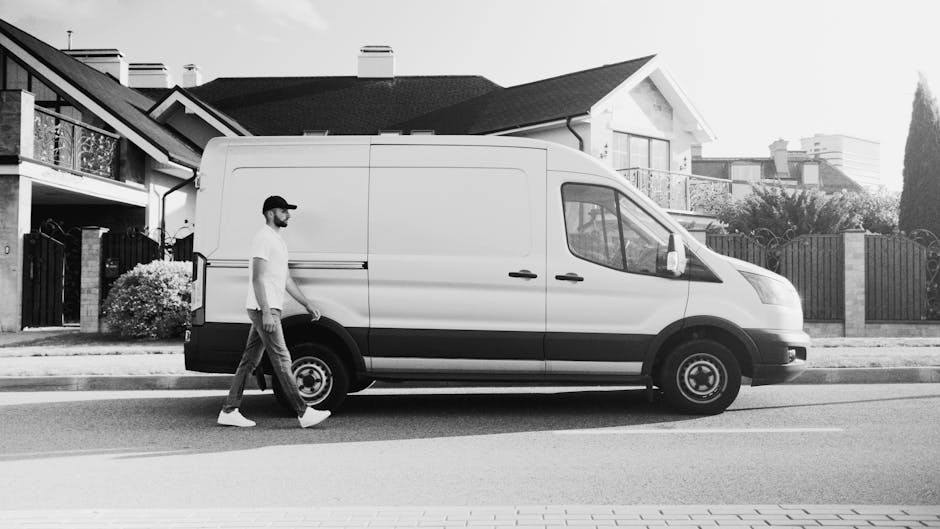
Man With a Van vs van hire: Bounds Green cost comparison
If you are planning a move in or around Bounds Green, the choice often comes down to two familiar options: booking a man with a van service or hiring a van and doing the legwork yourself. On paper, van hire can look cheaper. In real life, though, the total cost depends on timing, loading help, mileage, parking, fuel, your own effort, and how much risk you want to take on. This guide breaks down the Man With a Van vs van hire: Bounds Green cost comparison in plain English, so you can decide what actually makes sense for your move, your budget, and your sanity.
You will also see where extra value tends to appear, where hidden costs creep in, and how to avoid the kind of last-minute stress that turns a "cheap" move into a surprisingly expensive day. Truth be told, that happens more often than people think.
For broader help with move planning, you may also find it useful to look at pricing and quotes, or browse the wider range of removal services available locally.
Table of Contents
- Why this comparison matters
- How each option works in practice
- Key benefits and practical advantages
- Who this is for and when it makes sense
- Step-by-step guidance
- Expert tips for better results
- Common mistakes to avoid
- Tools, resources and recommendations
- Law, compliance, standards and best practice
- Options and comparison table
- Case study or real-world example
- Practical checklist
- Conclusion
- Frequently asked questions
Why Man With a Van vs van hire: Bounds Green cost comparison Matters
Bounds Green is a very typical London move zone: residential streets, limited parking, occasional permit pressure, and the usual problem of wanting everything done quickly without making a day of it. That mix changes the economics. A van hire quote might look attractive because you only see the daily rate. But the real cost of moving is rarely just the vehicle.
With van hire, you are paying for the van itself, then handling almost everything else. That includes driving, loading, unloading, fuel, insurance excess considerations, congestion-related delays, and whatever snacks or goodwill you need to keep the helpers going. If you have to collect the van from outside Bounds Green, the time cost rises too. By the way, time is often the silent budget killer.
A man with a van service usually folds labour and transport into one booking. That means fewer moving parts, which can be a big deal when your sofa is bigger than the hallway or the stairs have that awkward turn that makes every box feel heavier than it should. In many cases, what looks like the cheaper option is only cheaper if you ignore your own time and the likelihood of delays.
That is why the comparison matters: it is not just about the headline price. It is about total cost, effort, risk, and convenience. For many local households and small businesses, those four things decide the winner.
How Man With a Van vs van hire: Bounds Green cost comparison Works
At a practical level, the comparison is straightforward, even if the fine print is not.
Van hire means you rent the vehicle and usually drive it yourself. You may arrange your own loading help, or rope in friends and family, which is fine until someone's back twinges on the second trip. You are responsible for the schedule, the parking, the route, the loading plan, and the return of the van on time.
Man with a van means a driver, vehicle, and usually at least some help with the heavy lifting. Depending on the job, this can be a single mover or a small team. It suits flat moves, part-loads, furniture collection, student moves, and small office relocations, especially when you want the job handled efficiently rather than treated as a weekend project.
The cost difference usually comes from these factors:
- Labour included or excluded - van hire is transport only; man with a van often includes handling support.
- Time spent - if you are loading, driving, and unloading yourself, the "cheap" option uses your own time.
- Hidden extras - insurance excess, fuel, mileage, late return fees, padding, straps, or parking costs.
- Move complexity - stairs, awkward access, long carries, or multiple pick-ups all push value towards the assisted service.
- Damage risk - one badly judged lift can cost more than the difference between the two options. Not ideal, obviously.
In Bounds Green, where street parking can be tight and access can be awkward around certain terraces and side roads, having someone who already knows how to manage the loading rhythm can make the whole day smoother. If you want to understand the service style better, the pages for man and van and man with a van explain the kind of help typically included.
Key Benefits and Practical Advantages
Both choices have a place. The better choice depends on what you are trying to save: money, effort, or stress.
Why van hire appeals:
- It can be the lower headline price for very simple moves.
- You control the schedule completely.
- It works well if you already have capable helpers and a short, straightforward route.
- It may suit small, low-value loads where speed and support matter less.
Why a man with a van appeals:
- You get practical lifting help, which matters more than people expect.
- Loading is usually faster and more organised.
- It reduces the chance of damage to furniture, door frames, and your own back.
- It is often better value once you price in labour, fuel, parking, and time.
One thing people underestimate is the emotional side of moving. Sounds dramatic, but it is true. A move day can be noisy, messy, and a bit relentless. Boxes rustle, tape sticks to your hands, and everyone is tired before lunch. Having a person who simply knows the routine can calm the whole thing down.
For house moves, it may be worth comparing against broader help such as home moves or more full-service house removals if the job is larger than a couple of rooms. If you are moving office stock or equipment, the commercial route may be a better fit through commercial moves or office removals.
Who This Is For and When It Makes Sense
This comparison is most useful if you are trying to decide between cost saving and convenience. In Bounds Green, that usually means one of these situations:
- Students or renters moving a small to medium load across North London.
- Homeowners shifting furniture, white goods, and boxes on a tight timeline.
- People collecting items from stores, auction houses, marketplaces, or storage units.
- Small businesses needing to move a handful of desks, boxes, or archive items.
- Anyone without access to a suitable driver or enough hands to do the lifting safely.
Van hire makes the most sense when the job is extremely simple: short distance, light load, strong helpers, and confidence behind the wheel of a larger vehicle. It also suits people who enjoy controlling every detail and do not mind spending their Saturday wrestling with ratchet straps.
A man with a van tends to make more sense when:
- the item count is higher than it first looked;
- you have awkward access, stairs, or limited parking;
- you want the job done in one run rather than several;
- you would rather avoid the stress of driving and loading; or
- you need the move to finish efficiently, not just cheaply.
If you are sorting a single bulky item, the page for furniture pick up is also relevant. For people actively searching locally, removals near me is the kind of service people often compare against self-hire.
Step-by-Step Guidance
If you want to compare the two options properly, do not start with price alone. Start with the job itself.
- List everything that is moving. Be honest. Include the awkward lamp, the mirror, the bike, and the box you forgot about until now.
- Measure the bulky items. Sofas, wardrobes, and mattresses often decide the van size more than the box count does.
- Check access at both ends. Note stairs, lifts, narrow hallways, no-parking zones, or distance from entrance to vehicle.
- Decide who is loading and unloading. If you need help at either end, that pushes the decision towards man with a van.
- Compare total costs. Include van rental, insurance, fuel, mileage, parking, and any extra hours.
- Compare time, not just money. Ask yourself how long the whole day will really take.
- Think about stress and risk. If the move involves fragile or expensive furniture, convenience may save you money in the end.
A sensible rule of thumb: if the move can be done in one loaded run, with easy access and a short route, van hire may still be competitive. If it needs planning, lifting, or more than one pair of hands, the assisted service often closes the gap quickly.
It helps to speak directly about what you need. A transparent provider will usually talk through the load, the floor level, the access, and the time window before giving a quote. That is why checking pricing and quotes early can save a lot of back-and-forth later.
Expert Tips for Better Results
Here is the part that saves people money in the real world.
- Book the right vehicle size first time. Underestimating van size often costs more than paying for the right option up front.
- Pack by loading order, not room order. Put heavy and awkward items near the door first so loading runs smoothly.
- Keep essentials separate. Documents, chargers, keys, medication, and a kettle if you are honest about your priorities.
- Use proper protection for furniture. Blankets, wrap, and straps matter more than they look like they should.
- Allow extra time for London traffic and parking. Bounds Green is not the place to assume every road will be friendly to a tall van.
- Ask about support before booking. Some services are transport-only in practice, while others are much more hands-on. Clarify early.
One slightly boring but very useful tip: always check the fine print around timing and vehicle return if you are hiring a van yourself. A delay at either end can snowball into extra costs. And if you are running around trying to find a parking space while someone is holding a wardrobe at the kerb, well, let's just say nobody enjoys that version of moving day.
If you are moving belongings into storage or out of a property after a sale, the more general removals page can help you think through the scope of the move before you decide on transport-only or assisted support.
Common Mistakes to Avoid
People tend to make the same few mistakes when comparing man with van and van hire. Most of them are avoidable.
- Comparing the headline price only. A cheap rental can become expensive once you add fuel, insurance, and time.
- Forgetting loading labour. If you need to ask friends, the move is no longer "free" in practical terms.
- Choosing the wrong van size. Too small means extra trips; too large can mean more hassle than necessary.
- Ignoring parking and access. In London, these details are not side notes. They shape the whole move.
- Assuming every item will fit easily. Some furniture needs dismantling, and some just does not want to cooperate. That is the truth of it.
- Not asking about insurance and responsibility. Damage, loss, and loading risk should be understood before the day starts.
Another common one is timing. People think they can collect a van, load it, make two trips, unload, refuel, and return it all before dinner. Sometimes yes. Often, not really.
That is why many customers prefer a hands-on mover for house transport and choose a more specific option like man with van removal when they want the booking to feel more like a managed job and less like a DIY race against the clock.
Tools, Resources and Recommendations
You do not need fancy software to compare these options well. A good notebook, a phone calculator, and a realistic head for time usually do the job. Still, a few practical tools and resources help:
- Item inventory list - a simple checklist of boxes, furniture, and fragile items.
- Floor and access notes - record stair counts, lift access, and whether parking is close.
- Measurements - especially for wardrobes, sofas, tables, and appliances.
- Budget range - include the best case and the likely case, not just the dream quote.
- Questions for the provider - who loads, who drives, what is included, and what counts as extra.
If the move is more involved, consider whether you need support such as packing and unpacking services or a more dedicated removal company approach. For big household jobs, the more structured pages for house movers and house removalists are useful comparisons too.
There is no shame in choosing the option that makes life easier. A move is already disruptive enough. You do not need to turn it into a test of endurance for the sake of saving a few pounds on paper.
Law, Compliance, Standards, or Best Practice
For most everyday moves, the main compliance concerns are simple but important: safe loading, sensible driving, proper insurance, and clear terms about what is included. In the UK, people often overlook these until something goes wrong. Best practice is to ask practical questions before the booking is confirmed.
For example:
- Is the vehicle covered for the type of job you are booking?
- What happens if access is worse than expected?
- Are there limits on weight, item type, or fragility?
- How is responsibility handled for damage caused during loading or transit?
- Are payment methods and cancellation terms clearly explained?
It is also wise to think about health and safety. Heavy lifting, awkward turns, wet pavements, and narrow staircases all create risk. A competent mover should manage those risks carefully, and you should too. If you want a clearer idea of how a provider approaches safety and reliability, the pages on insurance and safety and health and safety policy are worth reviewing.
For payment confidence and data handling, it is sensible to check payment and security and the terms and conditions. You may never need those pages after booking. Still, they matter. Quietly, but a lot.
Options, Methods, or Comparison Table
The clearest way to compare the two is to look at what you are really paying for.
| Factor | Van hire | Man with a van |
|---|---|---|
| Headline cost | Often lower at first glance | Usually higher upfront |
| Labour | You provide it | Usually included |
| Driving | You drive | Driver handles it |
| Loading and unloading | You manage it, or arrange help | Typically assisted |
| Hidden extras | Fuel, insurance, mileage, late return, parking | Less likely to be spread across separate costs |
| Best for | Simple, low-volume, low-complexity moves | Awkward, time-sensitive, or labour-heavy moves |
| Stress level | Can be higher if the day runs long | Usually lower because the job is more managed |
Practical takeaway: if your move is small and easy, van hire can be economical. If it is anything less than straightforward, man with a van often closes the gap once real-world costs are counted properly. That is especially true in London, where parking and timing have a habit of adding their own little tax.
Case Study or Real-World Example
Imagine a two-bedroom flat move in Bounds Green. Nothing huge, but enough to be annoying: a sofa, bed frame, mattress, chest of drawers, kitchen boxes, and a few fragile bits that need care. The property is on an upper floor, parking is not ideal, and the new place is only a short drive away, though traffic could easily stretch the trip.
If the household hires a van, they still need people to carry everything down, load it efficiently, drive carefully, then unload on the other side. That might work well if there are three strong helpers, good weather, and a lot of patience. But if one helper arrives late, or the van is a little smaller than expected, the whole plan starts wobbling.
With a man with a van service, the same move tends to feel more controlled. The loading order is easier to manage, the heavy items are handled more professionally, and the job can often be completed with fewer trips. The cost may be a bit higher upfront, but the total day often feels shorter and calmer. Not glamorous, but extremely useful.
That kind of example is why many local customers move away from the "cheapest vehicle only" mindset. They realise they are not just hiring transport. They are buying a better moving day.
Practical Checklist
Use this before you book anything.
- Have you listed every item, including awkward or fragile pieces?
- Do you know the exact access conditions at both addresses?
- Have you measured anything that might not fit through doors or stairwells?
- Do you know who is loading and unloading?
- Have you counted the full cost of van hire, including fuel and insurance?
- Have you asked whether the assisted option includes lifting help?
- Do you know the preferred moving time and whether parking is realistic?
- Have you checked the provider's insurance, payment, and terms pages?
- Are there items that need special care or packaging?
- Would saving a small amount really be worth the extra hassle?
If any answer feels uncertain, pause and revisit the plan. That pause can save you a lot of grief later.
Conclusion
The most honest answer to the Man With a Van vs van hire: Bounds Green cost comparison is that the cheaper option depends on the shape of the move, not just the price on the screen. Van hire can work well for simple, low-volume jobs with easy access and plenty of help. But once you add London parking, your own time, lifting effort, and the possibility of delays, a man with a van often becomes the better overall value.
In Bounds Green, where convenience and access can matter as much as cost, the smartest move is to compare the total day, not only the transport. Ask what is included, how much stress you want to carry, and how quickly you want the job finished. That usually leads to a better decision than chasing the lowest headline number.
Get a free quote today and see how much you can save.
If you are still weighing up your options, take a moment to review the service details, check the support included, and choose the route that leaves you with the least hassle and the most peace of mind. That's usually the right call.
Frequently Asked Questions
Is man with a van cheaper than van hire in Bounds Green?
Not always on the headline price, but often in total value. Van hire may look cheaper until you add fuel, insurance, your time, loading help, and parking. For small, easy jobs it can still win. For anything more complicated, the assisted option often makes better financial sense.
What hidden costs should I expect with van hire?
Common extras include insurance excess, mileage, fuel, late return charges, cleaning fees, parking, tolls where relevant, and the cost of any extra labour you need. It is worth pricing those properly before deciding.
When does a man with a van make the most sense?
It usually makes the most sense for bulky furniture, awkward access, upper-floor moves, short-notice bookings, and jobs where you want help with lifting. If the move is physically demanding, the service tends to pay for itself in convenience.
How do I know whether I need a van hire or a removal service?
Ask yourself whether you only need transport or whether you also need loading, unloading, and handling support. If you need the job managed rather than just moved, a removal-style service is usually the safer bet.
Is Bounds Green difficult for parking a hire van?
It can be, depending on the road, time of day, and nearby restrictions. Like much of London, parking can shape the whole move. That is one reason local experience matters more than people expect.
What size move suits van hire best?
Very small or simple moves suit it best: a few boxes, a mattress, one or two pieces of furniture, or a short collection run. Once the volume grows or access gets awkward, assisted help becomes more attractive.
Do I need insurance for van hire?
Yes, and you should understand exactly what is covered. Policies vary, and excess amounts can be significant. Always check the terms before you book, especially if you are moving valuable items.
Can a man with a van handle a full house move?
It can handle many smaller house moves and part-loads, but larger homes may need a fuller removal setup. If you are moving a lot of furniture or a whole family house, look at broader options like house removals or house movers.
How can I save money on either option?
Declutter first, pack well, measure large items, avoid last-minute bookings where possible, and make sure access is clear. The less time wasted on the day, the cheaper the move usually becomes.
What should I ask before booking a man with a van?
Ask what is included, how many people will attend, whether loading and unloading help are provided, how pricing is structured, and what happens if access is harder than expected. Clear questions lead to fewer surprises.
Is van hire better for office moves?
Sometimes, if it is a tiny office with a few boxes and very light equipment. But for desks, monitors, filing, or anything time-sensitive, a more organised move usually works better. Commercial and office-specific services can be a better fit.
Why do people regret choosing the cheapest option?
Because the cheapest option on paper can become the most tiring one in reality. If you spend hours loading, drive a larger vehicle for the first time, and return it under pressure, the bargain may not feel like one by the end of the day.