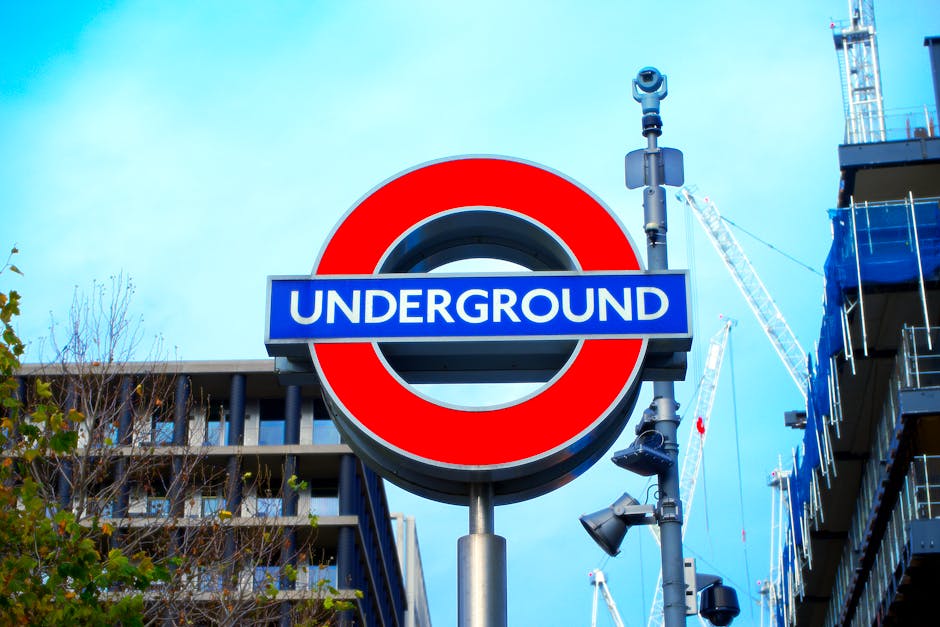




N11 move-day checklist: streets, tube and loading bays
Posted on 13/05/2026
Moving in N11 can feel straightforward on paper, then suddenly become a puzzle of narrow streets, busy tube access, awkward parking, and a loading bay that is either already taken or just a little too far from the front door. That is exactly why a practical N11 move-day checklist: streets, tube and loading bays matters. It helps you plan the bits people forget until the van is outside and everyone is standing around with a sofa, a box of books, and a slightly worried look.
This guide brings the move into focus. You will see how to check access, what to look for around tube stations and side streets, how loading bays affect timing, and how to avoid the small mistakes that turn a normal move into a long one. It is written for real life, not perfect conditions. Truth be told, few moves are perfect anyway.
Where helpful, we have also linked to useful pages on moving services in Bounds Green, man with a van support, and practical guides like packing hacks for a smooth house move so you can build a fuller plan around moving day itself.
Why N11 move-day checklist: streets, tube and loading bays Matters
N11 is a part of North London where the practical details of moving matter just as much as the boxes themselves. Streets can be tight, on-street parking can disappear quickly, and if your route passes near a tube station or busy high street, pedestrian flow and traffic build-up can slow everything down. A move-day checklist brings order to that chaos.
The purpose is simple: reduce delay, prevent avoidable stress, and help your removal team work safely and efficiently. If you are moving a flat, a family home, a student room, or an office, the same principle applies. Access is half the job. Sometimes more than half.
People often think moving is mainly about packing. In reality, the street outside matters just as much. Can the van park close enough? Is there a loading bay? Are there cones, permit restrictions, or a station taxi rank nearby? Are neighbours likely to block the kerb with their own cars at 8:30 in the morning? These are the tiny questions that decide whether a move feels smooth or scattered.
If you want a fuller overview of what a professional move can include, the house removals service page and the broader removal services in Bounds Green section are useful starting points.
How N11 move-day checklist: streets, tube and loading bays Works
At its core, the checklist works by breaking the move into three access zones:
- The street - where the van can stop, turn, wait, or unload.
- The tube or station area - where foot traffic, taxis, bus stops, and road congestion can affect access.
- The loading bay - the space that should let the move happen safely and legally, if available and usable.
Each zone needs a different check. The street is about width, parking, and turning room. Tube-adjacent locations are about congestion, timing, and whether the route is clear enough for carriers to move furniture without weaving through people. Loading bays are about rules, time windows, and whether they are suitable for a van of your size. Very often, people only discover the issue when the driver arrives. Not ideal.
In practical terms, the checklist gives you a pre-move plan:
- Confirm the address and access points for both properties.
- Check where the van can legally stop.
- Identify the nearest loading bay or kerbside option.
- Estimate carrying distance from door to vehicle.
- Note obstacles such as stairs, intercom systems, narrow gates, or roadworks.
- Prepare backup plans if the first parking option is taken.
For people planning a smaller or quicker move, a local man and van option in Bounds Green can be a good fit. If the move needs to happen fast, the same-day removals service may also be relevant.
Key Benefits and Practical Advantages
A good move-day checklist does more than stop you forgetting the kettle. It improves the whole moving experience in ways that are easy to feel on the day.
1. Less waiting around. If the van can park correctly first time, loading starts earlier and the move keeps moving. Simple, but hugely valuable.
2. Lower risk of damage. Shorter carrying distances usually mean fewer trips, fewer awkward turns, and less chance of bumping furniture against railings, car mirrors, or stair edges.
3. Better safety. Narrow streets, busy pavements, and improvised parking can create hazards. Planning ahead helps keep everyone clear and calm.
4. Cleaner communication. When you know your access plan, you can brief the driver, neighbours, landlord, or building manager properly. That saves the awkward phone calls later.
5. Better use of paid time. Whether you are booking a removal team or hiring a van, time is money. An efficient start can make the difference between a manageable day and a long one that drags into the evening.
There is also a psychological benefit, and it is not small. Once the street plan is sorted, the whole move feels less like a guessing game. You can breathe a little. That matters when you are already juggling keys, boxes, and perhaps a mildly annoyed cat.
Who This Is For and When It Makes Sense
This checklist is for anyone moving in or out of the N11 area where access is not guaranteed to be easy. That includes:
- people moving from flats with limited street space
- families with larger furniture and more boxes than they expected
- students moving in or out during busy turnover periods
- small businesses relocating stock, desks, or equipment
- anyone whose property is near a station, main road, or busy local route
It makes sense whenever the van cannot simply pull up and unload without thought. If you live in a block with shared access, basement steps, or a tight turning circle, you already know the drill. If not, you may still need it because nearby traffic, delivery vans, or roadworks can make access trickier than it looks on the map.
This is especially useful for people choosing between flat removals in Bounds Green and a broader office removals service, because both need different loading and timing decisions.
Step-by-Step Guidance
Here is the practical version. No fluff. Just the sequence that tends to work best.
1. Walk the route before moving day
If you can, visit the property and stand where the van would likely stop. Look at the kerb, the road width, corners, trees, low walls, and any signs about parking or loading. A route that seems fine from a phone screen can be awkward in person.
2. Check for tube-station spillover
In N11, roads near transport links can get a lot of incidental traffic. Think commuters, taxis, buses, and delivery vans all trying to use the same stretch at the same time. If your move is happening near peak hours, build in extra time. Early morning can sometimes be calmer, but not always. London likes to keep you guessing.
3. Confirm loading bay rules
Loading bays are helpful only if you understand the conditions. Some are time-limited, some require a permit, and some are not suitable for long stays. Check whether the bay can be used for your vehicle size and whether there is enough space for doors, tail lifts, or a trolley to move safely.
4. Measure your carrying distance
People often underestimate this part. A 20-metre walk from van to front door feels short. A 20-metre walk carrying a wardrobe in the rain is not short at all. Add stairs, door latches, and shared hallways, and the job gets heavier fast.
5. Tidy the departure side first
If there is clutter around the entrance, move it before the van arrives. Hallways, porches, bins, and bikes can slow the loading chain. For a smoother handover, it can help to pair this with advice from our cleaning-before-moving-out guide and decluttering tips.
6. Assign jobs on the day
One person should manage doors and access, one person should guide the loading flow, and one person should deal with keys, documents, or parking questions. Too many people doing everything usually means no one is doing the important bit. It happens.
7. Keep a backup parking plan
If the loading bay is taken, or the street is unexpectedly full, know the next best option. Sometimes that means a side street, a short wait, or a brief conversation with a neighbour. A backup plan can save a surprising amount of stress.
8. Protect the bulky items first
Large furniture, mattresses, and heavy items should be prepared for the exact route they will take. If you need help with beds or similar awkward pieces, have a look at this bed and mattress moving guide. For tougher items, heavy lifting advice is worth reading before you strain your back and regret everything by 11 a.m.
Expert Tips for Better Results
A few small decisions can make the difference between a tidy move and a messy one.
- Book around access, not just availability. If your street is calmer at one time of day, use that. Even a 30-minute shift can help.
- Use clear labels on boxes. When the lift or stairwell is awkward, you want boxes landing in the right room first time.
- Keep a tiny essentials bag separate. Keys, phone charger, tea bags, meds, paperwork, snacks. The usual survival kit.
- Check weather the day before. Rain changes everything, especially if the carry distance is long or the pavements are slippery.
- Protect loading edges. Door frames and van interiors take the brunt when the move is rushed.
A useful local insight: if the destination is in a flat block or near a station, the final ten metres can take longer than the previous ten minutes. Lift delays, entrance codes, shared corridors, and passing residents all add friction. That is normal. Plan for it.
If you are still deciding what level of support you need, the removal van page and removal companies overview can help you compare service styles before you book.
Common Mistakes to Avoid
These are the mistakes that show up again and again on moving day. Usually they are avoidable. Sometimes very avoidable.
- Assuming the street will be clear. It often will not be, especially mid-morning or outside school hours.
- Not checking loading restrictions. A bay that looks convenient may have a time limit or local restriction.
- Forgetting the return trip. Parking that works for unloading may not work when the van comes back for the second load.
- Leaving bulky items until the end. That is how the day starts to run late.
- Ignoring building access details. Codes, lift bookings, and concierge rules matter more than people expect.
- Underestimating the stair carry. One flight of stairs can alter the entire schedule.
There is also the classic mistake of packing everything beautifully and then not being able to find the one box with the kettle. A little tragic, really. That is why a basic essentials box is worth its weight in tea.
Tools, Resources and Recommendations
You do not need a truckload of specialist gear, but a few tools make a real difference.
| Item | Why it helps | Best for |
|---|---|---|
| Furniture blankets | Protects wood, paint, and corners during the carry | Tables, wardrobes, cabinets |
| Removal straps | Improves grip and control for bulky items | Heavy boxes, white goods, awkward shapes |
| Floor runners | Helps reduce scuffs in hallways and entrances | Flats, shared entrances, rented properties |
| Trolley or sack barrow | Reduces lifting strain for repeated trips | Boxes, appliances, office items |
| Labels and marker pens | Speeds up room placement and unloading | All moves, especially larger ones |
Useful preparation resources include packing materials and boxes, especially if you are still sourcing supplies, and storage options in Bounds Green if the move has a gap between moving out and moving in.
For a broader preparation mindset, the guide on making house moving feel easier is worth a look. It is the sort of advice that seems obvious after the move, not before. As usual.
Law, Compliance, Standards, or Best Practice
Moving in London often means working around local parking controls, building rules, and public safety expectations. Exact requirements vary by street, borough, and property type, so it is best to check the specific rules that apply to your move rather than assume there is a one-size-fits-all answer.
As a practical standard, you should aim to:
- park only where permitted
- avoid blocking access for pedestrians, emergency services, or neighbours
- use safe lifting and carrying techniques
- protect property surfaces and shared areas where possible
- follow any building management, concierge, or landlord instructions
If your move involves heavier or more specialised items, the risk profile changes. For example, a piano, large fridge-freezer, or office equipment may require extra planning, specialist handling, or a more suitable vehicle. Relevant reading includes freezer handling guidance and piano transportation advice.
It is also sensible to review the company's health and safety policy and insurance and safety information before booking. That gives you a clearer sense of how carefully the move will be handled.
Options, Methods, or Comparison Table
There is no single best move method for every N11 street. The right choice depends on access, volume, and timing. Here is a simple comparison.
| Method | Best for | Strengths | Watch-outs |
|---|---|---|---|
| Van parked outside the property | Clear residential streets with enough kerb space | Fast loading, fewer carry steps | May not be possible near busy roads or restrictions |
| Use of a loading bay | Areas with designated stopping space | Good structure and predictable access | Time limits, availability, and permit rules |
| Short carry from side street | Busy main roads or tight front access | Flexible when the front of the building is blocked | Longer moving time and more physical effort |
| Book professional removals | Larger moves, stairs, fragile items, or tight access | Better coordination and handling | Needs advance planning and clear information |
For many local moves, a full removals service in Bounds Green is the least stressful choice because the team can adapt to the access rather than hoping the access works itself out. That said, smaller student or single-room moves may suit a lighter setup, and that is fine too.
Case Study or Real-World Example
Picture a typical Saturday move in N11. The departure flat is on a residential street with limited parking. There is a loading bay near the junction, but it is also used by local deliveries. The destination is a second-floor flat with shared access and a narrow entrance hall.
The first thing that helps is not the van. It is the plan.
In a situation like this, a good checklist would likely do the following:
- confirm the best arrival time before the street gets busy
- reserve or verify any usable loading bay arrangement
- keep the van close enough to avoid unnecessary carry distance
- load larger furniture first so the team can work in sequence
- protect the entrance and stairs to reduce scuffs or knocks
In a move like that, a few practical choices make all the difference. For example, if the bed frame is ready first, it should not be buried behind random kitchen boxes. If the carry route includes a tight stair bend, the largest items need to be measured before they are moved. Nothing glamorous. Just good sense.
That kind of coordination is why people often choose local help rather than trying to improvise. If you are a student, for instance, the student removals service can suit quicker, simpler moves. If you are moving more furniture, furniture removals support may be the better match.
Practical Checklist
Use this on the day before and again on the morning of the move.
- Confirm both addresses and any flat numbers, codes, or entrance details.
- Check parking and loading bay options for the street at both ends.
- Note any tube-station congestion, school-run traffic, or roadworks nearby.
- Measure large furniture and compare it with stairways, doors, and lifts.
- Prepare a clear route from front door to van.
- Set aside a parking backup plan.
- Keep keys, phone, payment details, and important documents together.
- Pack an essentials bag for the first night.
- Label fragile, heavy, and priority boxes clearly.
- Check weather and dress for the conditions. A wet driveway changes the mood very quickly.
- Tell neighbours or building management if access may be temporarily blocked.
- Review the mover's service details and any safety guidance in advance.
Expert summary: the smoothest N11 move is usually the one where the street plan is decided before the first box leaves the house. If access is clear, everything else gets easier: loading, carrying, timing, and even your own stress levels.
Conclusion
A strong N11 move-day checklist is not about overplanning every tiny moment. It is about seeing the practical picture clearly enough to avoid preventable delays. Streets, tube-adjacent traffic, and loading bays can all shape how the day feels, and in a busy London area, those details really do matter.
Get the access right, keep your loading route sensible, and make sure the people helping you know what to expect. That alone can turn a tense day into a properly manageable one. And if a move still feels like a lot, that is normal too. Moving is a lot. No need to pretend otherwise.
If you need a hand with planning or want help choosing the right moving support for your property type and access setup, take a look at the about us page or get in touch with the team to talk through your move.
Get a free quote today and see how much you can save.