






Skip hire & disposal rules in Bounds Green (Haringey)
Posted on 08/07/2026
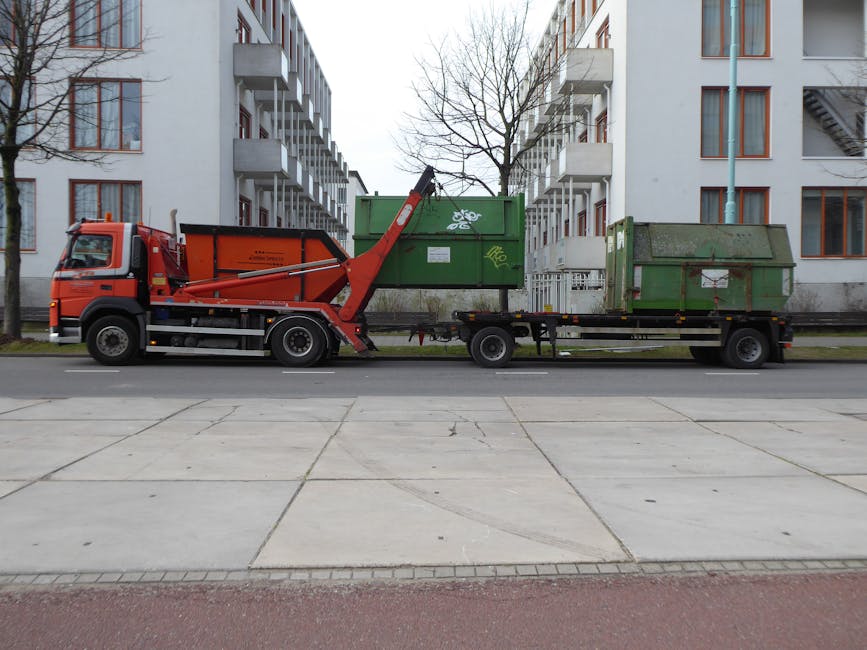
Skip hire & disposal rules in Bounds Green (Haringey)
If you are planning a clear-out, renovation, or move in Bounds Green, the rules around skip hire and waste disposal can catch you out faster than you'd expect. One minute you're just trying to shift broken furniture or a pile of builders' rubble, and the next you're wondering whether you need a permit, what cannot go in the skip, and how to avoid a fine or a refused collection. That is exactly what this guide is here for.
Skip hire & disposal rules in Bounds Green (Haringey) are not complicated once you break them down, but they do reward a bit of planning. In the sections below, you'll find a practical walkthrough of how skip hire usually works, what disposal rules matter most, the mistakes people make, and the smarter alternatives when a skip is not the best fit. If you're juggling a house move too, it may help to read these packing hacks for a smoother move and a few decluttering strategies before you start filling anything up.
- Why these rules matter in Bounds Green
- How skip hire and disposal works
- Key benefits and practical advantages
- Who this is for and when it makes sense
- Step-by-step guidance
- Expert tips for better results
- Common mistakes to avoid
- Tools, resources and recommendations
- Law, compliance, standards and best practice
- Options, methods and comparison table
- Case study or real-world example
- Practical checklist
- Conclusion
- Frequently asked questions
Why Skip hire & disposal rules in Bounds Green (Haringey) Matters
In a busy London area like Bounds Green, waste cannot just be left wherever it is convenient. Streets are narrower than they look, parking is often tight, and neighbours notice quickly if a skip blocks access or if rubbish starts creeping onto the pavement. That makes local disposal rules more than a box-ticking exercise. They affect safety, access, cost, and how smoothly your project runs.
Truth be told, most problems happen because people assume a skip is a simple metal box and nothing else. In reality, it is a temporary waste container that sits in a public or private space, often with specific conditions attached. If you get the placement wrong, overload it, or put prohibited items inside, you can create extra charges or have the waste refused altogether. Nobody wants a pile of mixed rubbish left outside on a wet Wednesday morning. It is not a great look.
This matters even more in move-heavy neighbourhoods and flat blocks, where many residents are dealing with furniture, appliances, packaging, and garden waste at the same time. If your project involves a property clear-out, the nearby guide on bulky waste pickups in Bounds Green is a useful companion piece, especially if you're comparing skip hire with collection-based disposal.
Expert summary: the safest approach is usually to decide what you need to remove, separate the waste correctly, check whether a skip permit is needed, and then choose the disposal method that fits the space and the waste type. Simple in principle. Slightly fiddly in practice. That is normal.
How Skip hire & disposal rules in Bounds Green (Haringey) Works
Skip hire generally follows the same broad pattern across London, but the details matter. First, you choose a skip size. Then you decide where it will sit. After that, you load it with the right materials and arrange collection. The process sounds straightforward, yet each stage has its own practical rules.
1) Choose the right skip type and size
Smaller skips suit light household clear-outs, DIY waste, or a room-by-room declutter. Larger skips may be more suitable for renovations or bulky mixed waste. The wrong size causes headaches either way: too small and you overfill it; too large and you pay for empty space. Somewhere in the middle is usually the sweet spot.
2) Check whether the skip will sit on private land or the road
If a skip sits on a driveway, forecourt, or another private area, that is usually simpler. If it needs to go on the road or pavement, permission is normally required from the relevant local authority or highways process. In practical terms, this is where many people get tripped up, especially in streets with limited off-road space.
3) Sort the waste before it goes in
General mixed waste, green waste, hardcore, wood, metal, and household junk all behave differently downstream. Most operators want the skip loaded sensibly so the waste can be handled safely and sent to the right facility. Mixed waste is common, but there are still no-go items. More on that in a moment.
4) Load it safely and within the fill line
Overfilling is one of the easiest ways to turn a simple hire into a problem. Loads must normally stay level with the top edge or below the marked fill line. That is not a cosmetic suggestion. It is about transport safety. A skip full of awkward furniture jutting out at the top is a nuisance for the driver and a risk on the road.
5) Book collection and final disposal
When the skip is collected, the waste is taken for sorting, recovery, and disposal. Good operators will aim to divert as much as possible from landfill. If sustainability matters to you, the company's recycling and sustainability approach is worth looking at, because disposal is not just about getting rid of stuff; it is also about doing it responsibly.
If you are planning a wider move or office clear-out, it can also help to review the service overview at services overview and think about whether the job really needs a skip, a van load, or a mix of both. Sometimes the cleaner solution is a removal or man-and-van collection rather than a static skip sitting outside for days.
Key Benefits and Practical Advantages
When the rules are handled properly, skip hire can be a very efficient way to manage waste. The benefits are not flashy, but they are real.
- Less clutter on-site: waste leaves the property as you go, rather than building into a mountain in the hallway.
- Better control: you can load items over time instead of rushing everything into one collection window.
- Safer working conditions: clear walkways and fewer trip hazards make a noticeable difference.
- More predictable disposal: you know where the waste is going and can separate it properly.
- Helpful for renovations: builders' waste, broken fittings, and packaging can disappear in one place.
There is also a quiet psychological advantage. Once a skip is on-site, the job feels contained. You know where the unwanted stuff belongs. That alone can make a house clearance or declutter feel less overwhelming. If you've ever stood in a room thinking, "Right, where on earth do I start?", you'll know the relief.
For moves involving bulky furniture or awkward access, you might also want to look at furniture removals in Bounds Green or man and van support in Bounds Green if your waste includes items that need lifting, carrying, or safe removal from upper floors.
Who This Is For and When It Makes Sense
Skip hire is not for everyone, and that is fine. The best choice depends on the type of waste, the amount, the access, and how fast you need it gone.
Homeowners doing a clear-out or renovation
If you're ripping out a kitchen, replacing flooring, or clearing a loft, a skip can be practical. You can work at your own pace and keep waste on-site until the job is done.
Landlords and letting agents
End-of-tenancy clearances often produce a surprise mix: broken chairs, old bedding, packaging, and a few bits that nobody claims. A skip can be useful, but if you want the property photo-ready afterwards, you may also need a clean-down. The guide on impressing landlords with a thorough clean before moving out is handy here.
Flat residents with limited storage
Bounds Green has plenty of flats where getting a skip outside is simply awkward. In those cases, a skip may still work, but only if access and permissions are manageable. If not, staged collections or van-based disposal can be easier.
Tradespeople and self-managing renovators
If you are a builder, decorator, or DIY-minded homeowner, waste builds up quickly. Small rubble piles turn into larger ones, and packaging from new fixtures adds up as well. A clear disposal plan keeps the site usable and avoids stop-start work.
Students and short-let movers
Not every move creates skip-worthy waste, but student rooms and short-let properties can produce a lot of unwanted stuff in a tiny window. For smaller moves, student removals in Bounds Green may be more practical than managing a skip, especially if you are leaving behind only a modest amount of rubbish.
Step-by-Step Guidance
Here is a sensible way to approach skip hire and waste disposal in Bounds Green without making it more complicated than it needs to be.
- List the waste types first. Separate bulky furniture, DIY rubble, garden waste, cardboard, appliances, and anything hazardous. This one step saves a lot of confusion later.
- Estimate the volume. Stand back and be honest. One sofa and a few bags are not the same as a full-strip bathroom renovation. Underestimating is common.
- Decide where the skip can sit. Private land is easier. Roadside placement may need permission, and space for delivery matters too.
- Check access. Look at kerb width, tree branches, parked cars, low walls, and whether a lorry can actually get close enough. That bit is often missed.
- Confirm what can and cannot go in. Hazardous items and restricted materials need separate handling. Do not assume "anything goes".
- Load safely and evenly. Put heavier items at the bottom and spread the weight. Keep everything below the top edge.
- Arrange collection promptly. Once the skip is full, or your project is finished, get it collected before it becomes an obstacle.
A practical note: if you're also moving furniture around the same time, plan the sequence carefully. A heavy wardrobe that still needs dismantling should probably be dealt with before the skip arrives, not after you've blocked half the hallway. The article on moving a bed and mattress can help if your clear-out overlaps with a bedroom move.
Expert Tips for Better Results
The difference between a smooth waste job and a frustrating one is usually in the details. Here are the habits that save time and stress.
- Separate recyclable material early. Clean cardboard, scrap metal, and wood are easier to manage when they are not mixed with general waste.
- Break large items down where possible. Dismantled furniture takes up less room and loads more safely.
- Protect floors and walls near the loading route. Especially in older properties, a few cardboard sheets can prevent scuffs and drama.
- Keep a small "do not load" area. Put batteries, chemicals, paint tins, and anything uncertain aside until you have checked it.
- Think about timing. A skip arriving after the demolition starts can be too late; one arriving too early can block access for trades. There is a sweet spot.
Another useful trick is to photograph the waste area before collection and again once everything is loaded. It sounds slightly overcautious, but it helps if there's any confusion later about what was removed. Not glamorous. Very effective.
If your project involves moving very heavy or awkward items, a little specialist know-how goes a long way. You may find this guide to heavy lifting useful, especially for spotting when an item should be split, carried by two people, or left to professionals.
Common Mistakes to Avoid
Most skip problems in local jobs come from a handful of predictable mistakes. Luckily, they are easy to avoid once you know them.
- Using the wrong waste container for the job: a small skip for a large renovation almost guarantees overflow.
- Ignoring access constraints: a skip lorry does not teleport into narrow streets. Sadly.
- Mixing prohibited items with general waste: this can delay collection or create extra charges.
- Overloading above the rim: unsafe, messy, and often not accepted for transport.
- Forgetting about permits or permissions: especially where a skip needs to sit on the road.
- Leaving waste sorting until the last minute: that is usually when mistakes happen.
One of the most overlooked issues is stair and hallway damage. In Victorian or converted properties, waste journeys are rarely simple. If you are carrying items downstairs before loading them, the article on avoiding stairway damage in Victorian Bounds Green homes is well worth a look. A scratched bannister is a tiny mistake that can feel weirdly expensive later.
And to be fair, a lot of avoidable problems come from trying to do everything in one rushed afternoon. Slowing down a little saves more time than it costs.
Tools, Resources and Recommendations
You do not need a truck full of specialist gear, but a few simple tools make the job cleaner and safer.
- Work gloves: useful for sharp wood, metal edges, and splintered materials.
- Face masks for dusty clear-outs: especially during lofts, sheds, and old renovation work.
- Tape, labels, and marker pens: ideal for sorting what stays, what goes, and what needs separate handling.
- Heavy-duty bags and boxes: much better than trying to carry loose odds and ends.
- Protective floor coverings: cardboard or cloth runners help on busy loading routes.
For anyone planning a bigger house move alongside disposal work, the broader guides on making house moving less stressful and N11 moveday planning can help you coordinate timing, loading, and waste removal without ending up with too many moving parts. That coordination matters more than most people realise.
If you need help with transport rather than a static skip, options like man with a van in Bounds Green or a dedicated removal van can sometimes be the better fit for mixed waste and reusable items. Not every job needs a skip in the street for three days.
Law, Compliance, Standards, or Best Practice
Waste disposal in the UK is governed by a duty of care approach: waste must be handled, stored, transported, and disposed of responsibly. In plain English, that means you should know what you are throwing away, keep it secure, and use a reputable carrier or operator for collection and disposal.
For skip hire in Bounds Green, the practical compliance questions usually come down to these:
- Placement: if the skip is on public land or the highway, permission is usually required.
- Loading: the skip should not be overfilled or made unsafe for transport.
- Waste type: restricted or hazardous waste needs separate management.
- Neighbour impact: access, visibility, and obstruction all matter in a busy residential area.
Best practice is to keep a simple record of what went into the skip, especially if the job includes renovation waste. That does not need to be fancy. A note on your phone is better than nothing. If you are working with a company, it is also sensible to review their terms and conditions, insurance and safety information, and health and safety policy before you book.
If you are comparing disposal with a broader removal service, a quick look at removal services in Bounds Green can help you decide whether the waste is better collected, removed in stages, or loaded as part of a move. Sometimes compliance is less about a rulebook and more about choosing the right method in the first place.

Options, Methods, or Comparison Table
Here is a practical comparison of common disposal approaches in Bounds Green. The right answer depends on volume, access, and how quickly you want the area cleared.
| Option | Best for | Strengths | Limitations |
|---|---|---|---|
| Skip hire | Larger, ongoing clear-outs and renovation waste | Convenient, on-site, good for phased loading | May need permission; space and access can be tricky |
| Man and van collection | Bulky items, mixed loads, quicker removal | Flexible, fast, useful where space is limited | Requires timed loading; may need sorting beforehand |
| Bulky waste pickup | Specific large items or smaller clear-outs | Straightforward for a few pieces | Less practical for large renovation volumes |
| Storage and staged removal | Moves with delayed disposal decisions | Gives breathing space, avoids rush decisions | Not a disposal method by itself |
For tight-access homes, especially near busy roads or upper-floor flats, a collection-based approach can be easier than trying to park a skip in the right spot. If that sounds familiar, the guide on tight access solutions may give you a few practical ideas.
Case Study or Real-World Example
A typical Bounds Green scenario goes like this. A couple starts renovating a flat and realises, halfway through, that the old kitchen units, broken tiles, cardboard packaging, and a battered wardrobe are all piling up in the same room. At first, they think a small skip will do. Then they measure the actual volume and notice the street outside is narrow, with parking already tight by late afternoon. Not ideal.
Instead of rushing into the wrong option, they sort the waste into separate groups: reusable items, general rubbish, heavy DIY debris, and anything that should not go in a skip. They check access, compare the convenience of a roadside skip with a collection-based disposal approach, and decide to remove the reusable furniture separately first. The rest is handled in a staged way so the property stays liveable during the renovation.
What made the difference was not a miracle method. It was the planning. The job felt calmer, the hallway stayed usable, and they avoided the usual last-minute panic where everyone stands around a pile of rubble saying, "we didn't quite think this through, did we?"
That is the quiet lesson here: disposal works best when it is built into the plan from day one, not bolted on after the mess has already grown.
Practical Checklist
Use this checklist before you book or load a skip in Bounds Green:
- Identify all waste types and separate anything hazardous or restricted.
- Estimate the volume honestly, not optimistically.
- Confirm whether the skip will sit on private land or public space.
- Check whether local permission or a permit process is needed.
- Measure access for delivery and collection vehicles.
- Protect floors, walls, and shared areas if waste must be carried through them.
- Keep load levels safe and below the rim.
- Arrange collection promptly once the work is finished.
- Keep reusable items out of the waste stream where possible.
- Review company safety, insurance, and disposal terms before booking.
Quick takeaway: if the waste is bulky, mixed, and spread over several days, skip hire may be ideal. If access is tight, timing is short, or the load is smaller than it first looked, a collection-based disposal option may be cleaner and cheaper. There is no single perfect answer, just the right one for the job in front of you.
For help with larger removals or careful item handling during a clear-out, you can also explore house removals in Bounds Green, flat removals in Bounds Green, or storage options in Bounds Green if you need a buffer while you decide what stays and what goes.
Conclusion
Skip hire & disposal rules in Bounds Green (Haringey) are really about three things: choosing the right method, respecting access and placement rules, and handling waste safely from start to finish. Once you think in those terms, the job becomes much easier to control.
Most stress comes from trying to guess. How big is the load? Will the skip fit? Is the waste allowed? Do we need permission? Answer those questions early and the rest tends to fall into place. And if it doesn't, that is usually a sign to switch from a skip to a collection-led approach rather than forcing the wrong setup.
Whether you're clearing a flat, refreshing a family home, or managing renovation debris, a calm plan will always beat a rushed one. A bit of sorting now saves a lot of faff later, and honestly, that's a win worth having.
Get a free quote today and see how much you can save.
If you want to speak to a local team about the best disposal route for your project, start by visiting the contact page or learning more about the company. A short conversation now can save a surprisingly long afternoon later.

